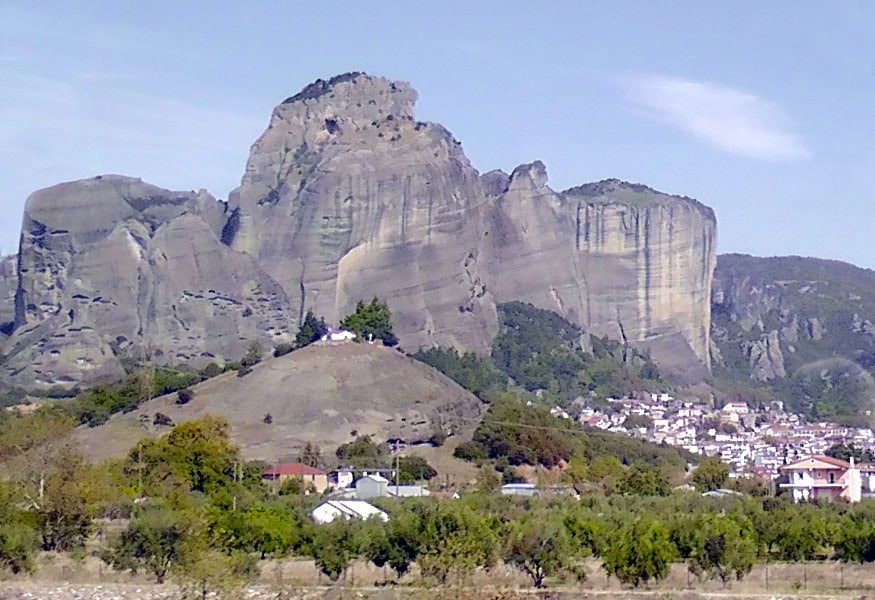
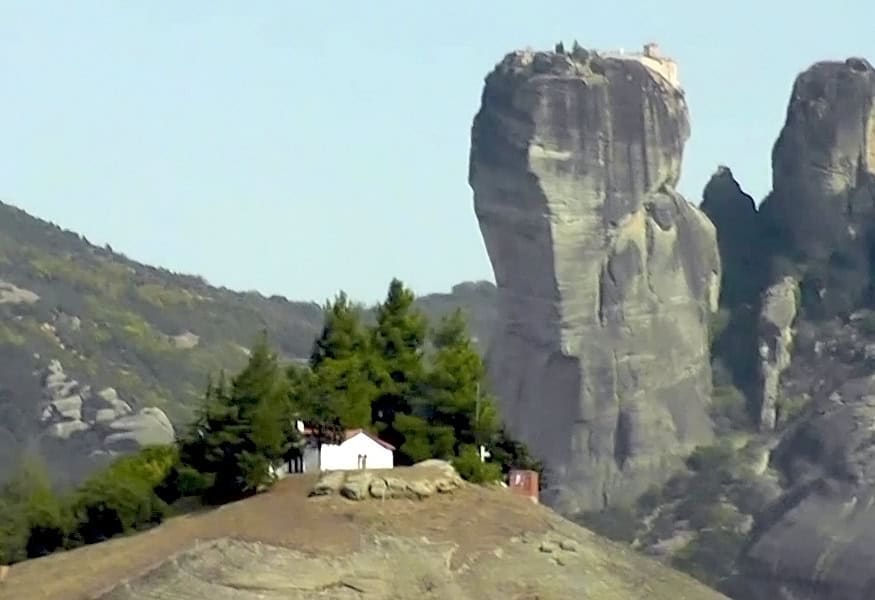
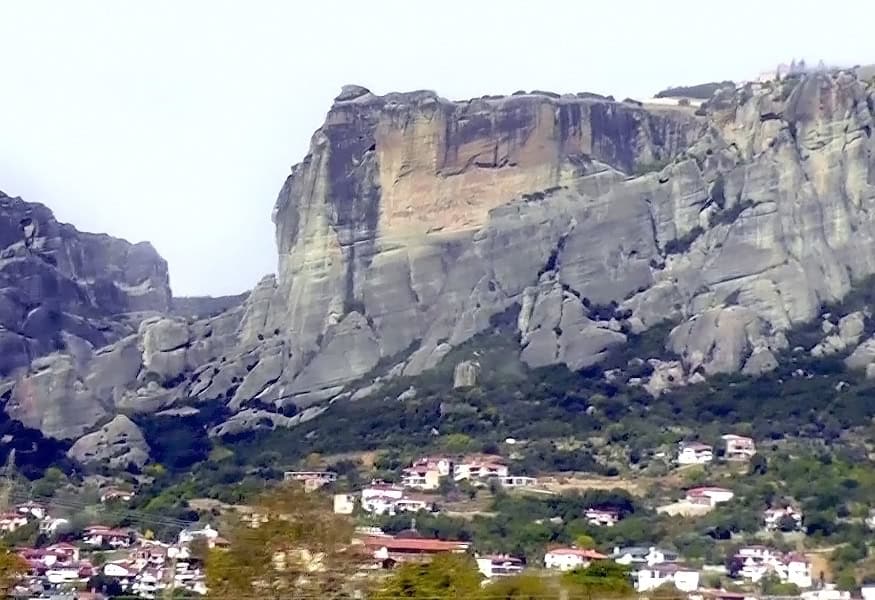
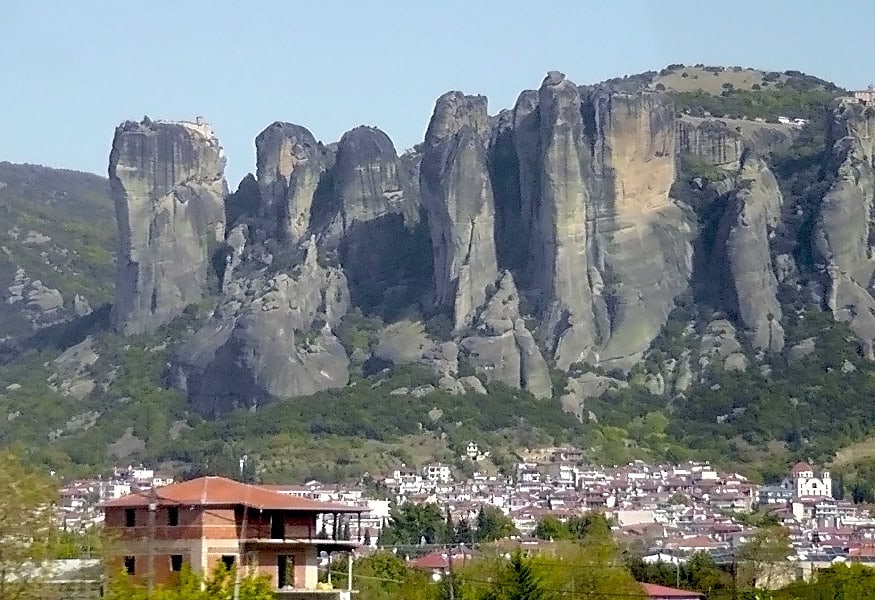
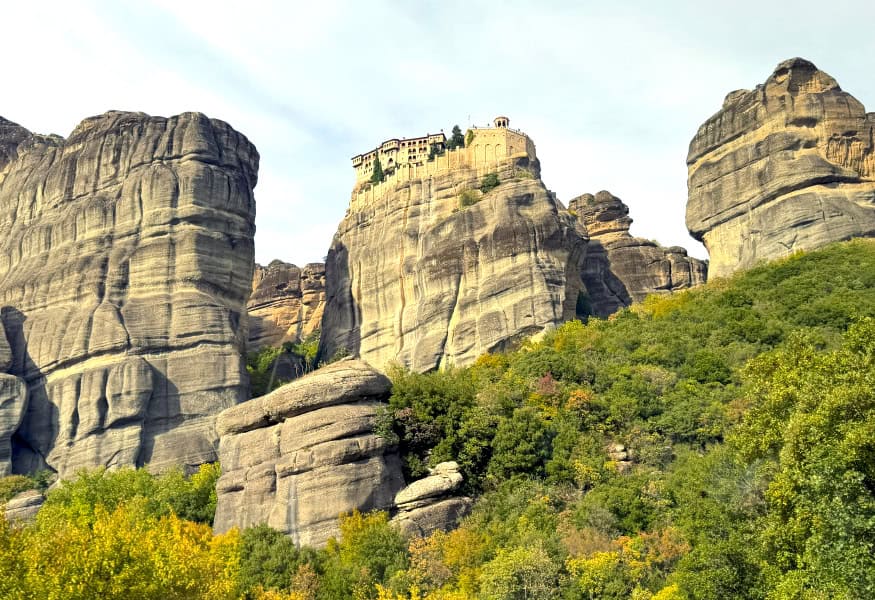
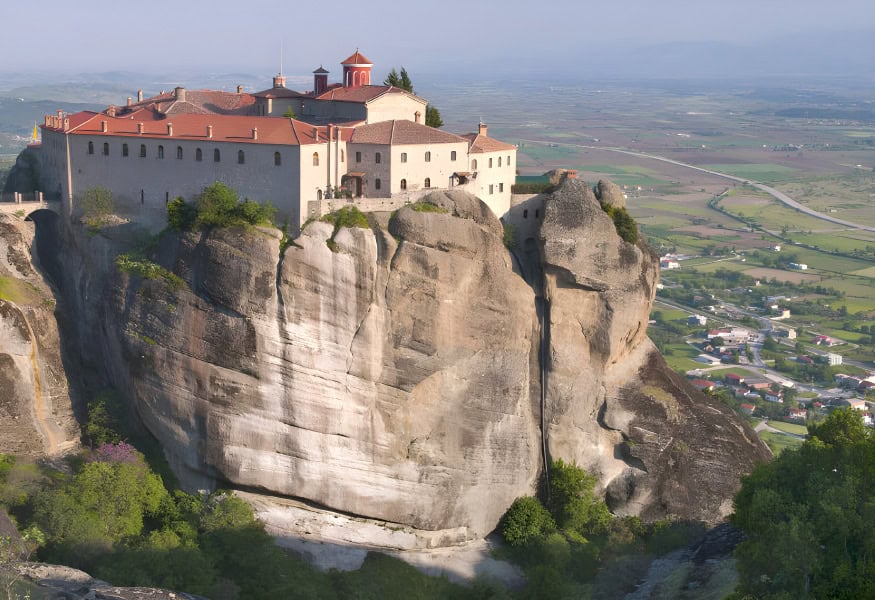
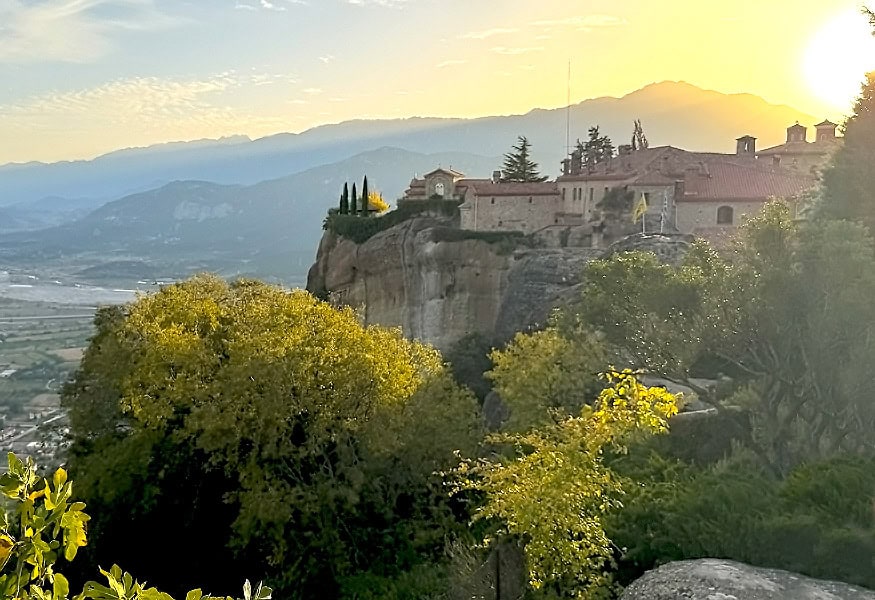
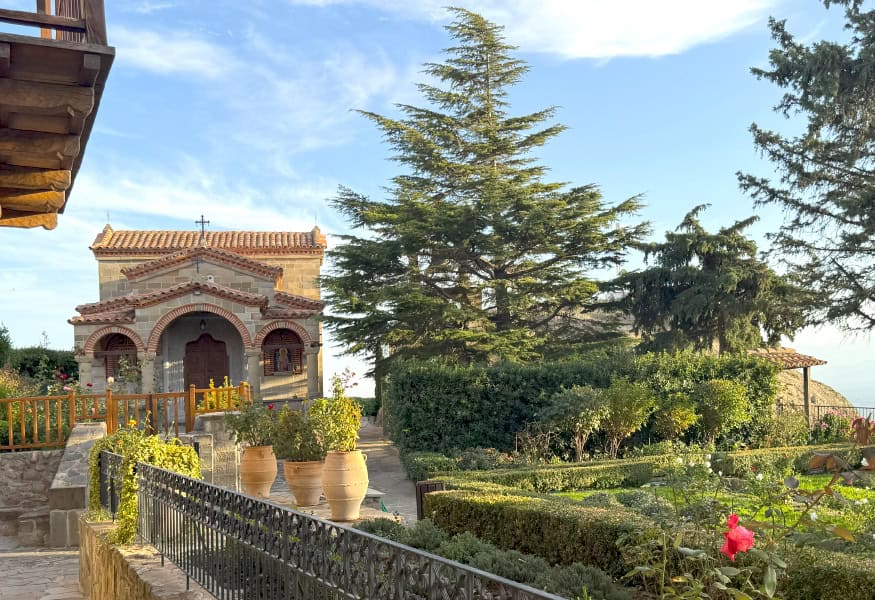
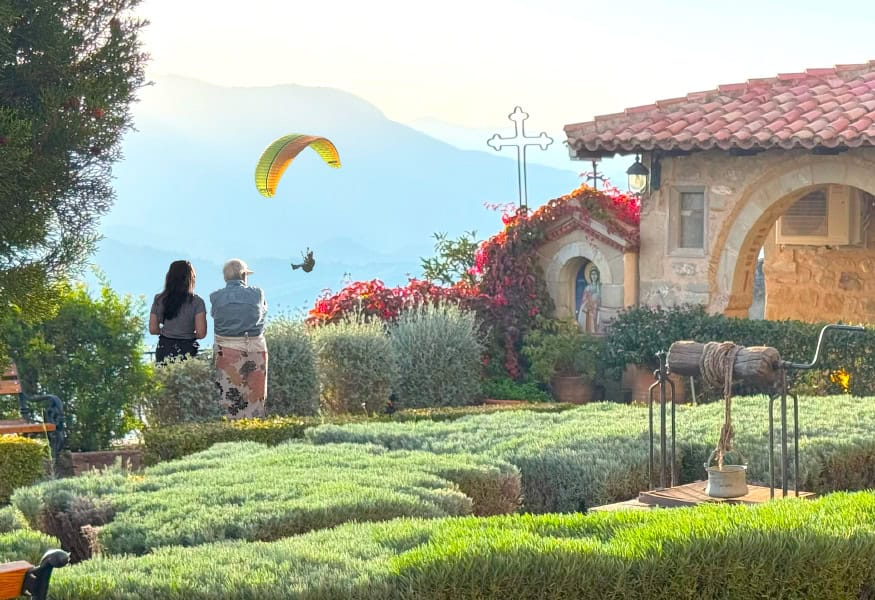
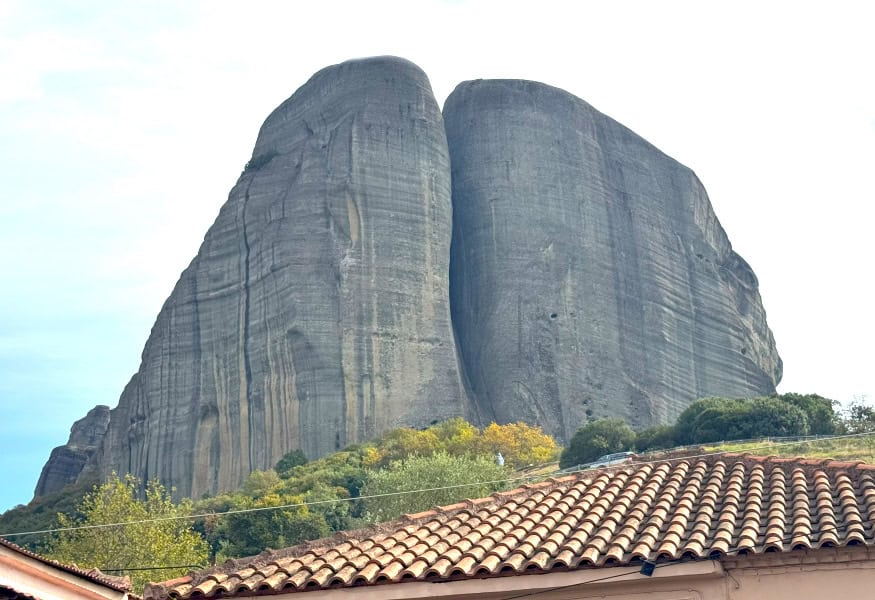
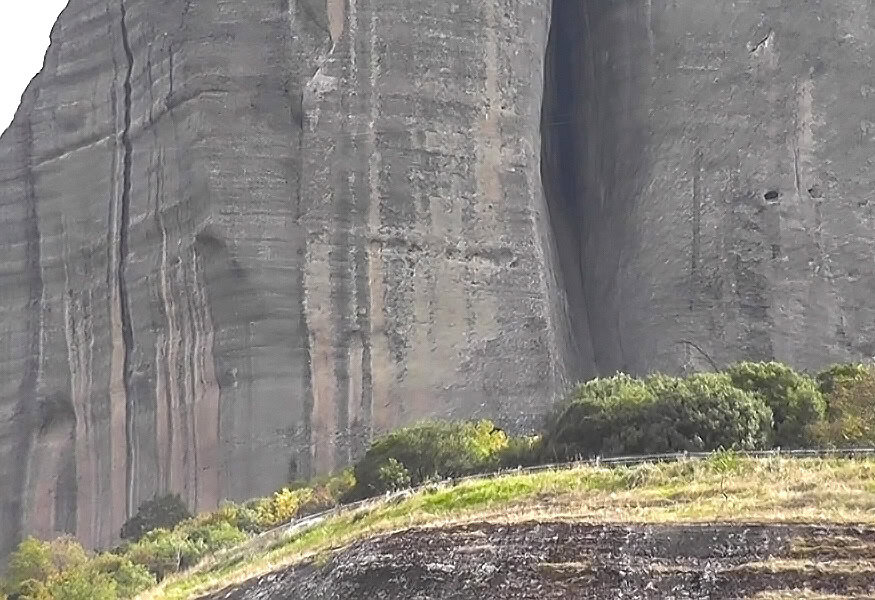
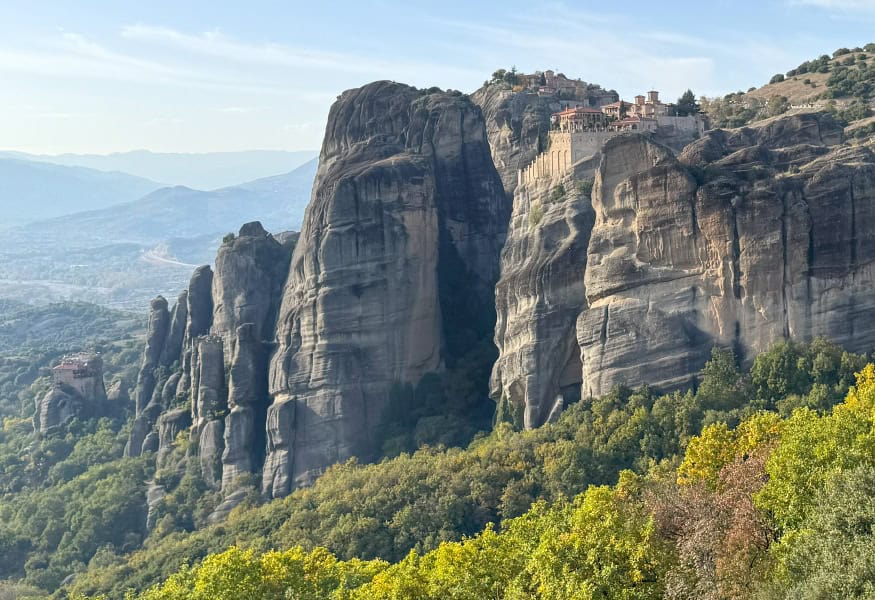
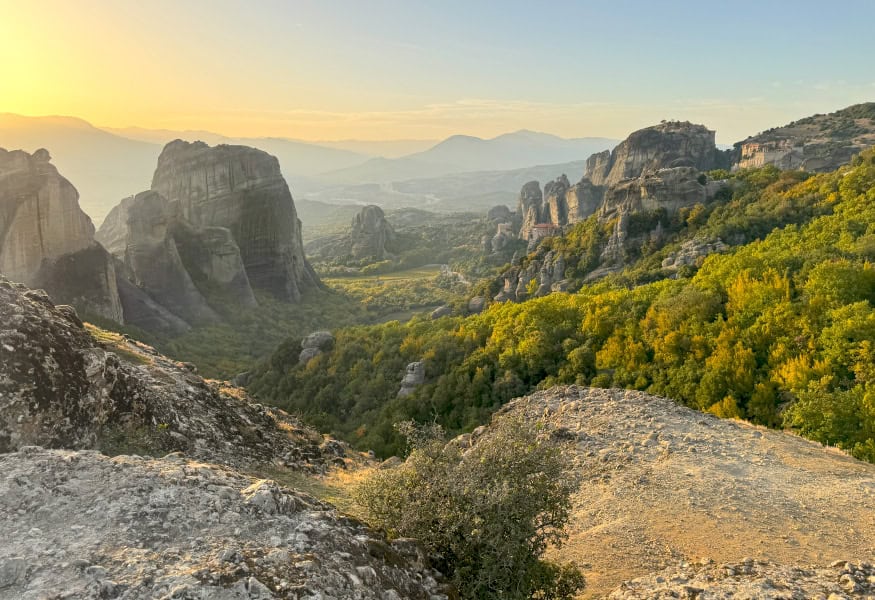
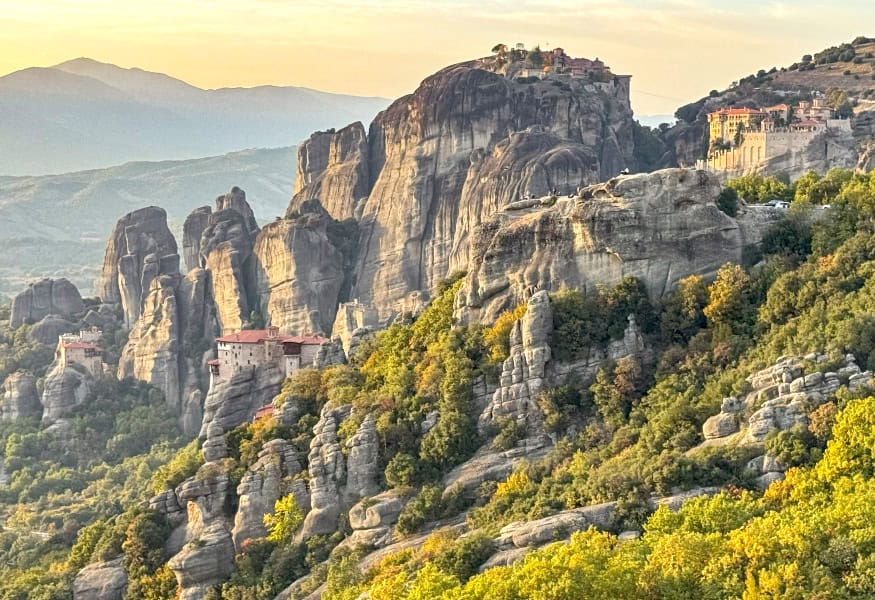
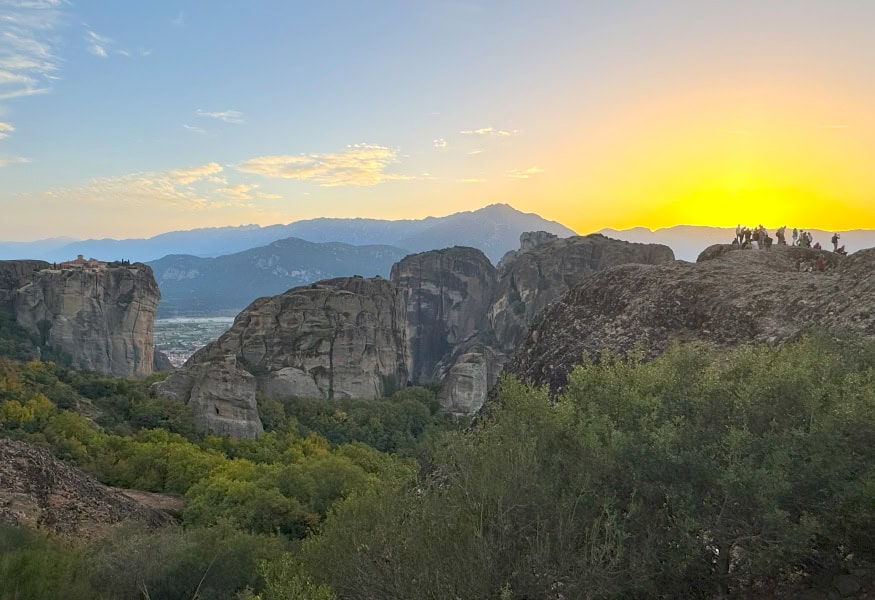
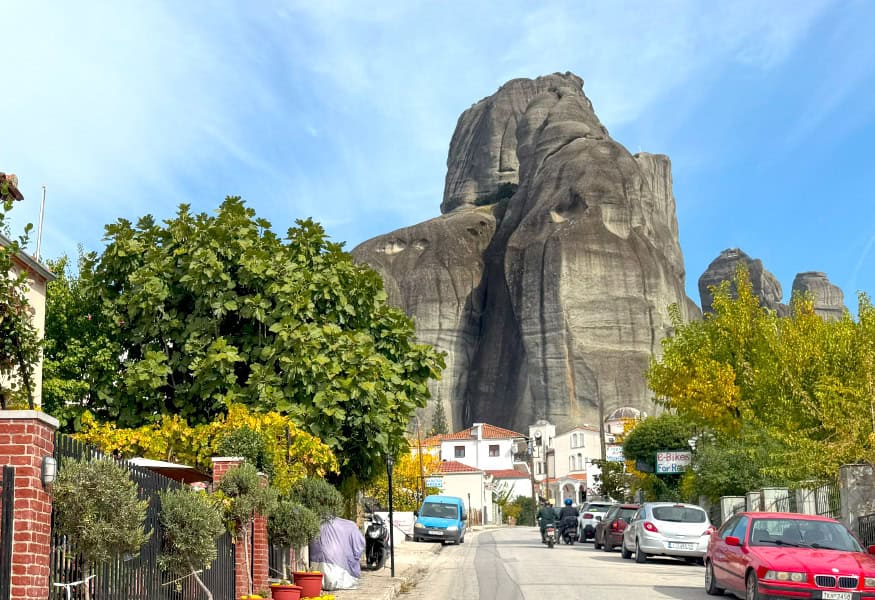
Greetings, fellow explorers, from Meteora, Greece, one of the planet’s most breathtaking and unearthly landscapes. At this UNESCO World Heritage site, ancient monasteries are perched atop towering sandstone pillars that rise from the plains of Thessaly. Meteora’s famous geological formations are aptly described by their name, “suspended rocks.” This region provides the ideal fusion of profound spirituality, rich history, and breathtaking natural beauty for active travelers like us. Here, you can take in some of Greece’s most breathtaking landscapes while hearing the echoes of centuries past.

Meteora is a perfect destination because of its unique blend of outdoor recreation and spiritual reverence. Whether you’re a history buff enthralled with historic buildings or a casual hiker keen to discover easy paths, Meteora offers a fulfilling experience. Join the GloveTrotters for 16 must-see destinations, such as stunning monasteries, striking rock formations, and quaint villages, along with advice on how to make your trip comfortable and unforgettable. Prepare to explore a location where heaven and earth genuinely converge.
Jump to a specific area.

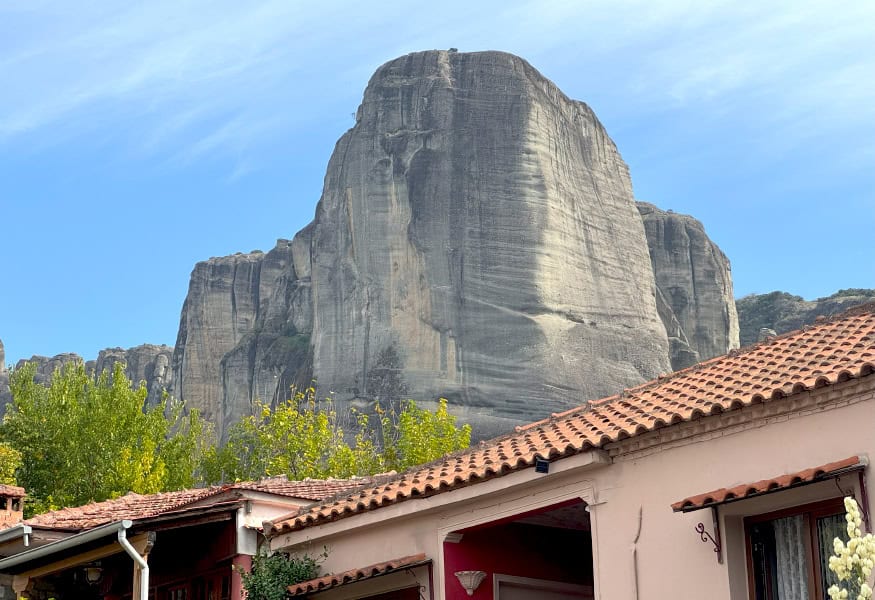
Seeing Meteora for the first time is something you’ll always remember. When you get close to the area, whether you’re driving or taking the bus, the scenery changes considerably. The flat Thessaly plain opens up to a cluster of huge, smooth rock pillars that look like they’re just hanging out, defying gravity. These amazing formations stand tall on the horizon, evoking a sense of wonder and excitement that only places as iconic as Zion National Park, Sedona and Bryce Canyon can compare. For us, seeing this is both inspiring and a cool reminder of the amazing power of nature. The charming little villages of Kalambaka and Kastraki, right at the foot of these massive rocks, are perfect spots to kick off your adventure.
Great Meteoron Monastery
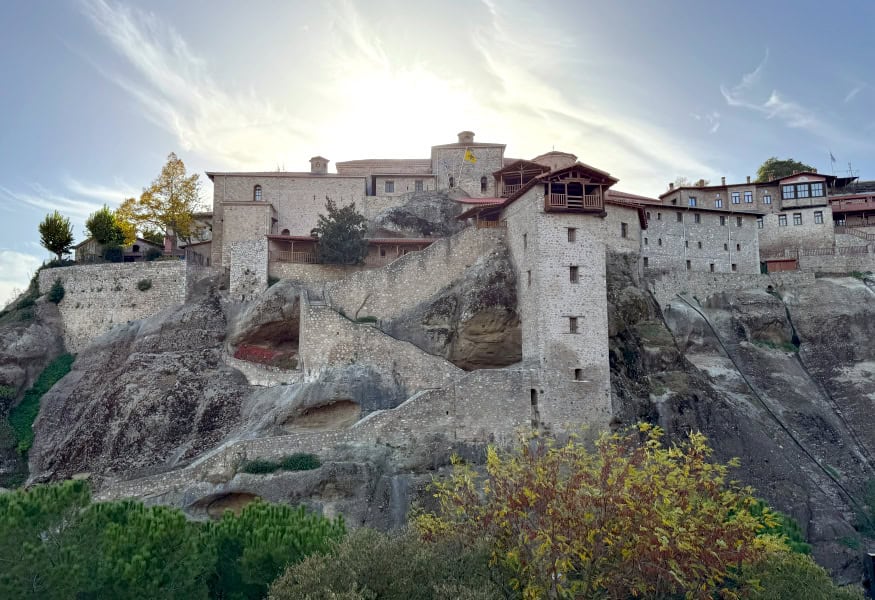
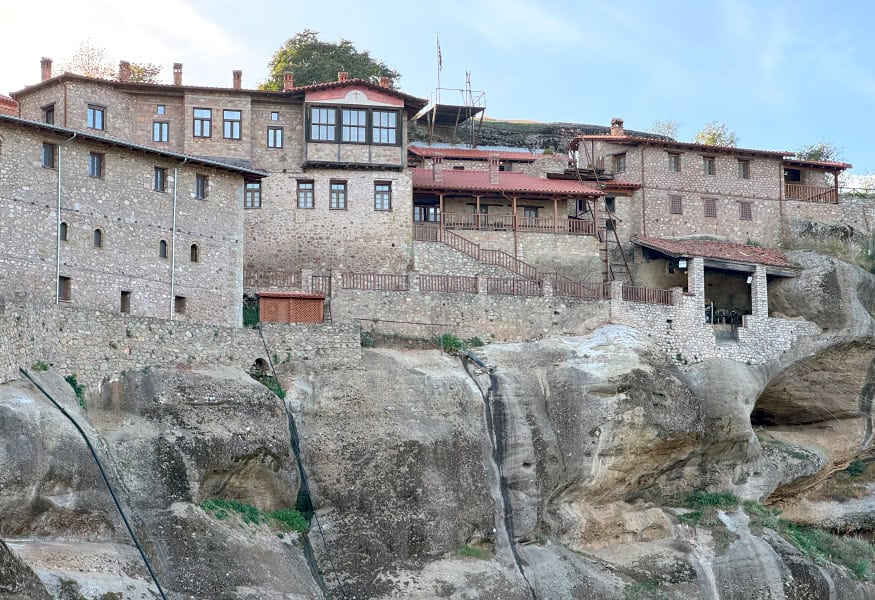
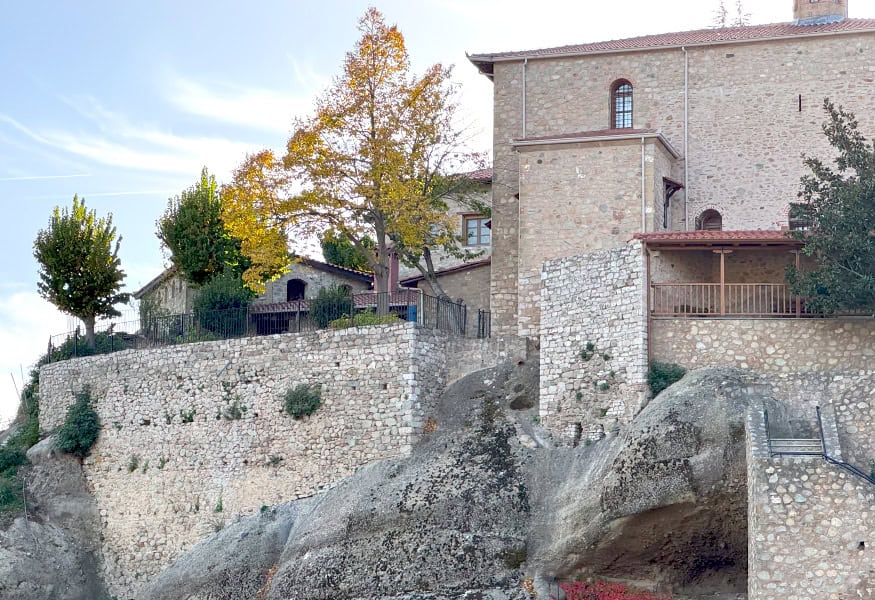
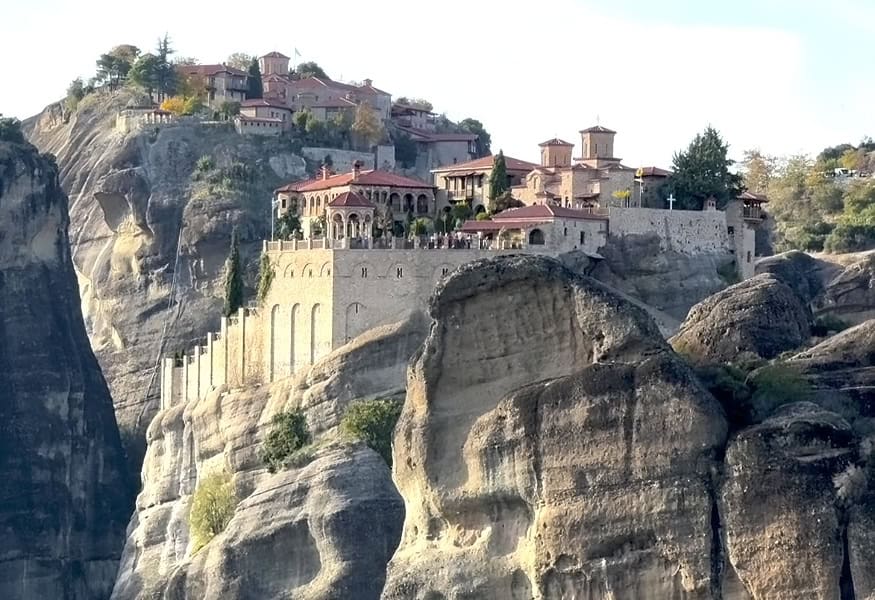
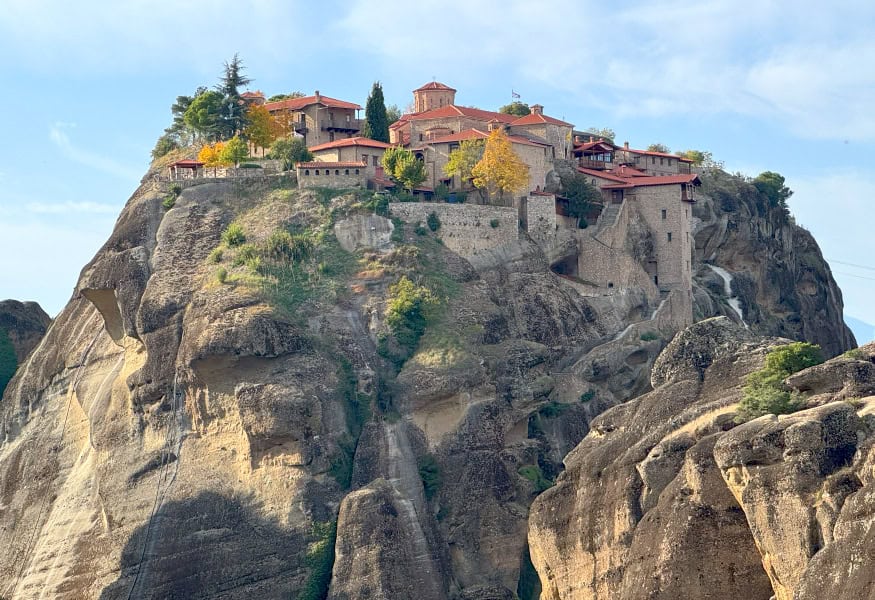
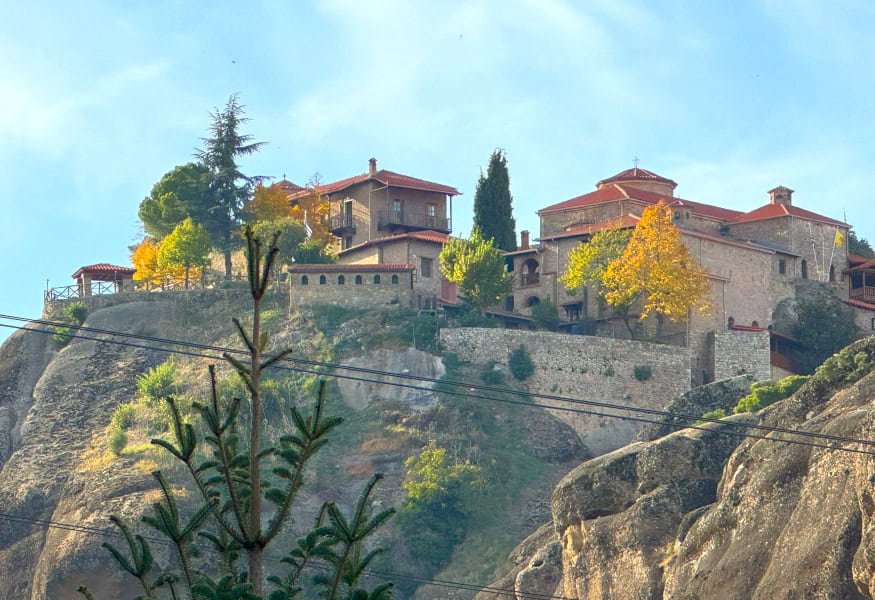
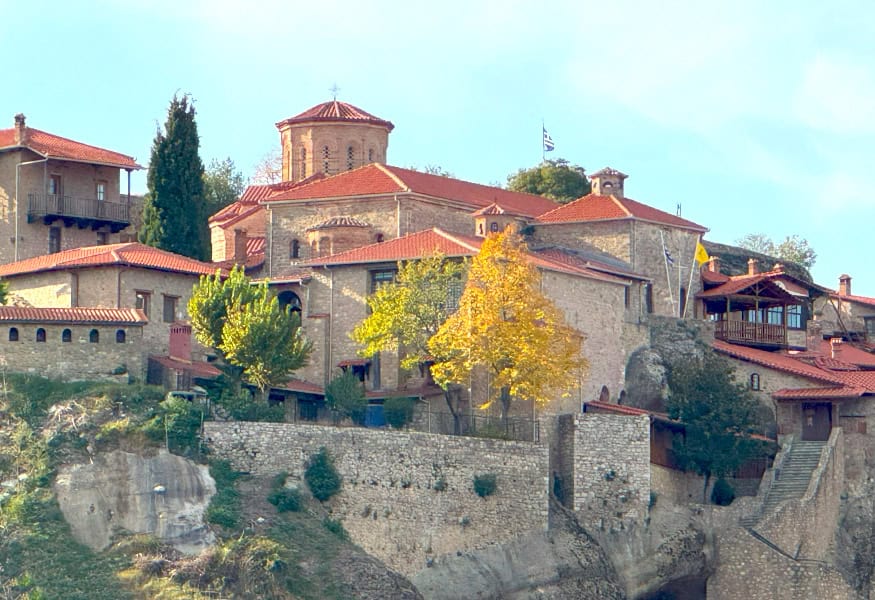
The Great Meteoron sits on the tallest and largest rock pillar, making it the most prominent of all the monasteries. Established back in the 14th century by Saint Athanasios the Meteorite, this monastery is the oldest and most important of the Meteora monasteries. Getting to the monastery involves a series of stone steps followed by a paved path, so it’s an easy walk for someone who just wants to enjoy a nice hike. When you finally reach the top, the amazing views all around are totally worth it.
GREAT METEORON MONASTERY FUN FACTS
- The monastery’s original name was the Monastery of the Transfiguration of Jesus.
- For centuries, monks and supplies were hoisted to the top in a large net.
- It contains a fascinating museum with religious artifacts, a library of rare manuscripts, and a historic kitchen.
- The Great Meteoron Monastery sits atop the Platylithos Rock approximately 2,018’ (615m) above sea level and 1,362’ (415m) above the valley floor.
St. Nicholas Anapafsas Monastery
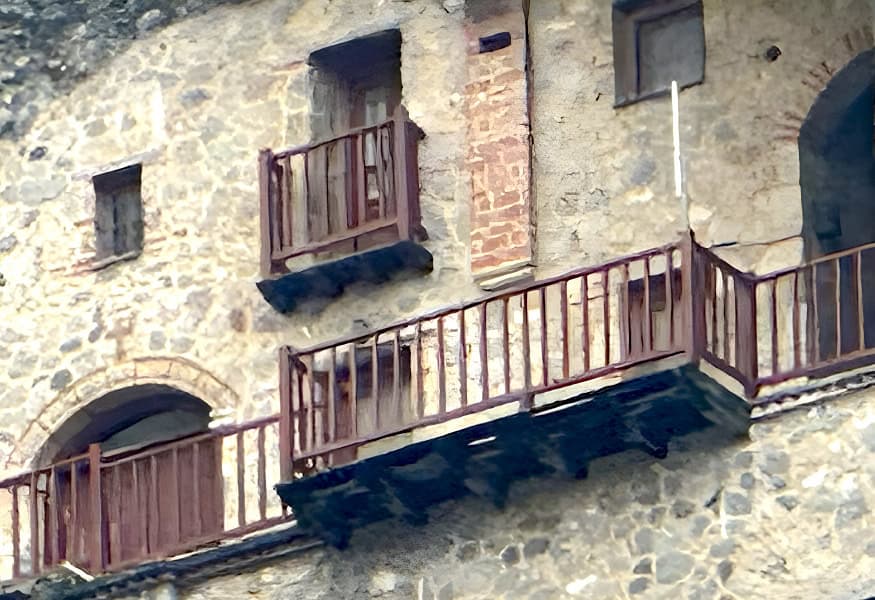
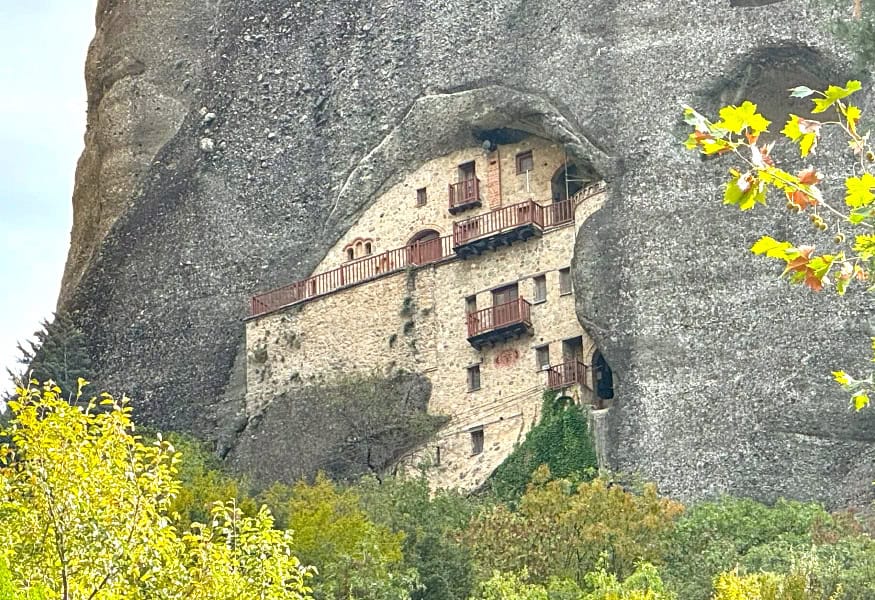
St. Nicholas Anapafsas is the first monastery you’ll come across on the main road from Kastraki village. It’s set on a narrow rock pillar, vertically with rooms and chapels piled one atop the other. This cool and creative architecture really shows off the creativity of the monks who both designed and built it. The climb has a few steps, but it’s pretty short and gives you some awe-inspiring views of the landscape and other amazing spots in Meteora.
ST. NICHOLAS ANAPAFSAS MONASTERY FUN FACTS
- The monastery is named after its founder, a monk named Nicholas.
- The walls of its main church, the Chapel of St. Anthony, are adorned with frescoes by the famous Cretan painter Theophanes.
- Due to its small size, the monastery can be explored relatively quickly, making it a great stop to include in your trip.
Monastery of Varlaam
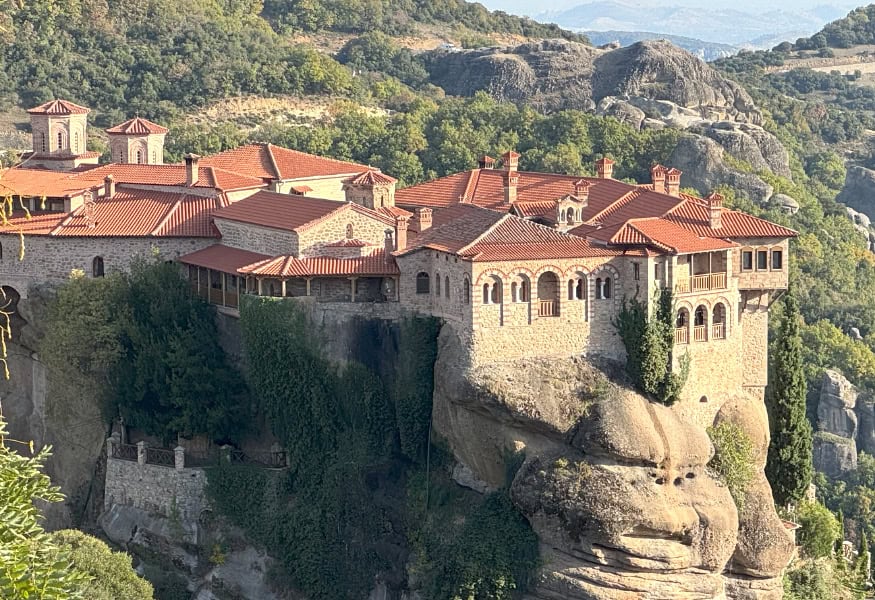
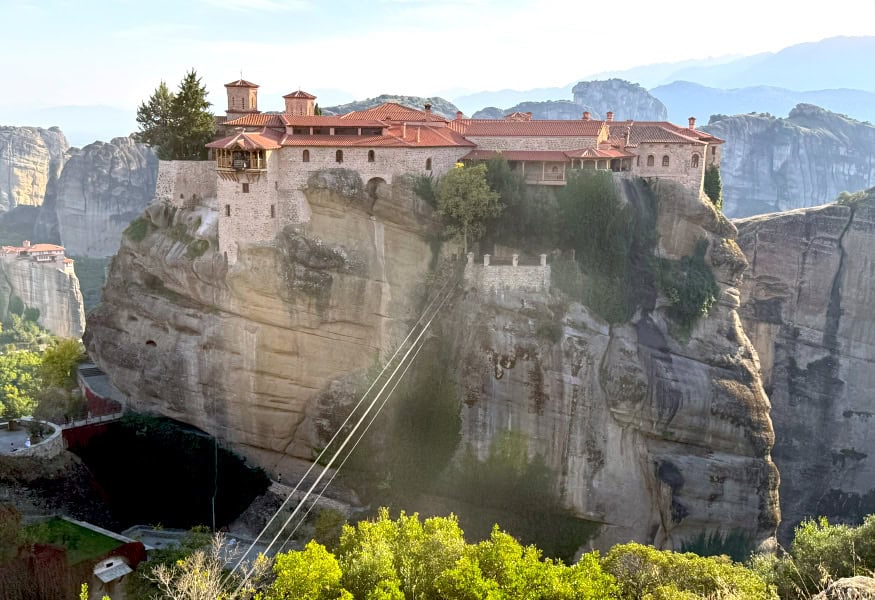
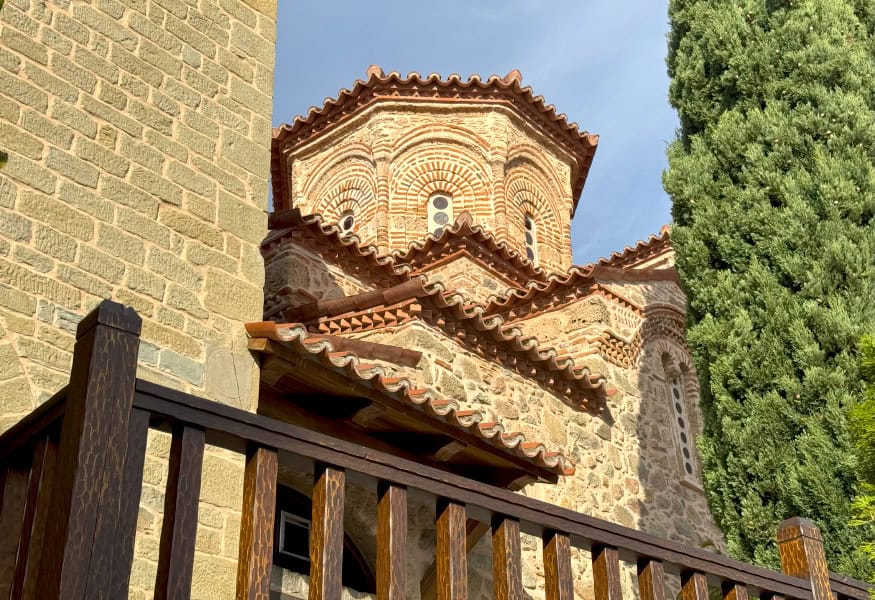
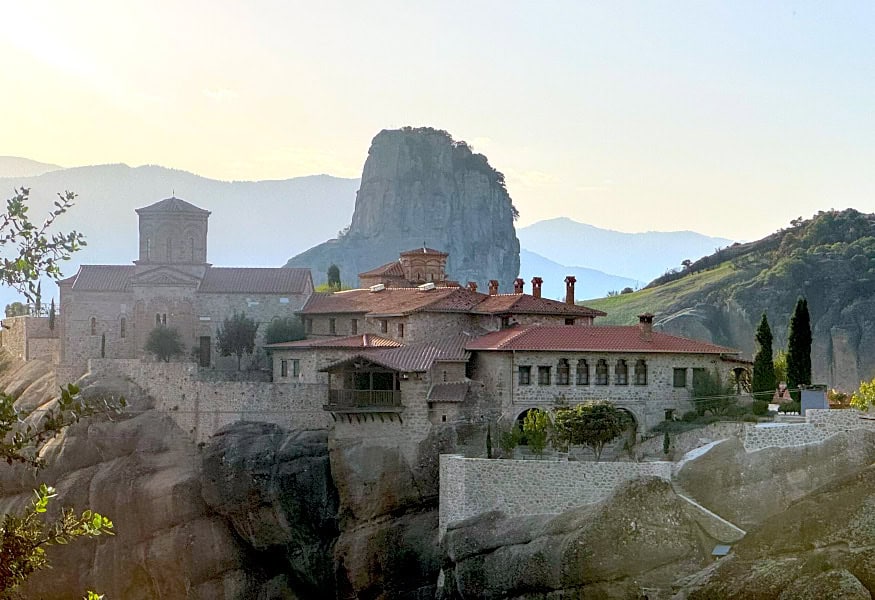
The Monastery of Varlaam, which gives the illusion of floating atop a massive rock pillar, is a magnificent example of Byzantine architecture. With walls and red-tiled roofs that seem to grow naturally from the cliff face itself, its exterior is a marvel. The monastery’s distinctive design is evidence of the builders’ tenacity. It is a must-see because of the stunning panoramic views of the Pindus Mountains, the Roussanou Monastery and the expansive Meteora valley that can be seen from its many walkways and overlooks.
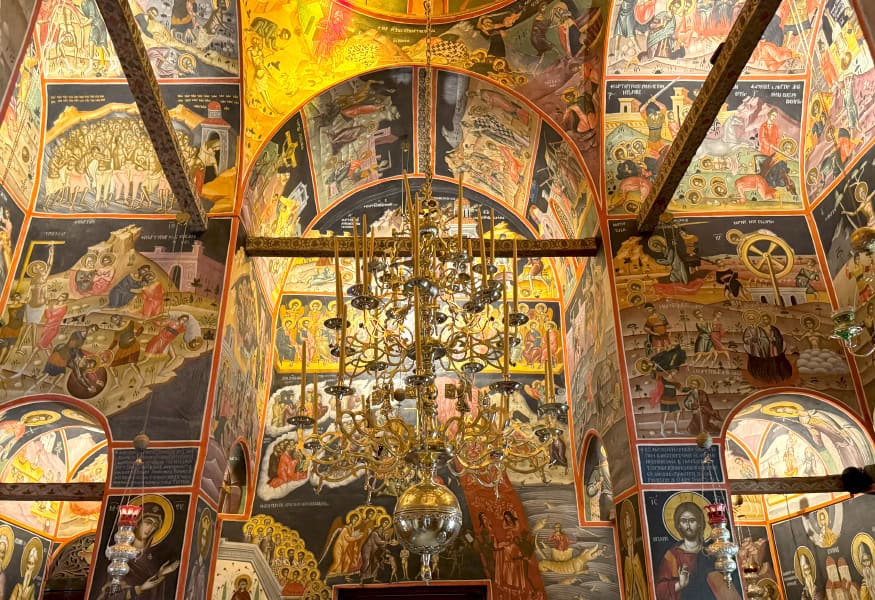
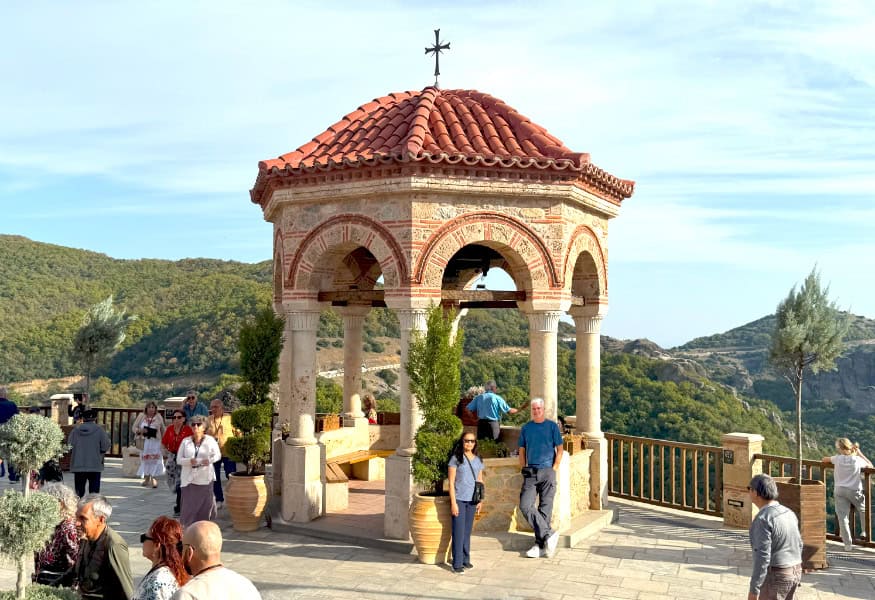
As you enter the monastery, you’ll find serene grounds that chronicle centuries of monastic existence. Carefully tended with lovely flowers, the courtyards house the main church and a former refectory that is now a museum. But the back terrace is the true attraction. Views of a “forest” of enormous rock formations, other monasteries, including the Great Meteoron, and the vast Thessaly plain below can all be seen from this location.
MONASTERY OF VARLAAM FUN FACTS
- The monastery’s original name was the Monastery of the Transfiguration of Jesus.
- For centuries, monks and supplies were hoisted to the top in a large net.
- It contains a fascinating museum with religious artifacts, a library of rare manuscripts, and a historic kitchen.
Roussanou Monastery
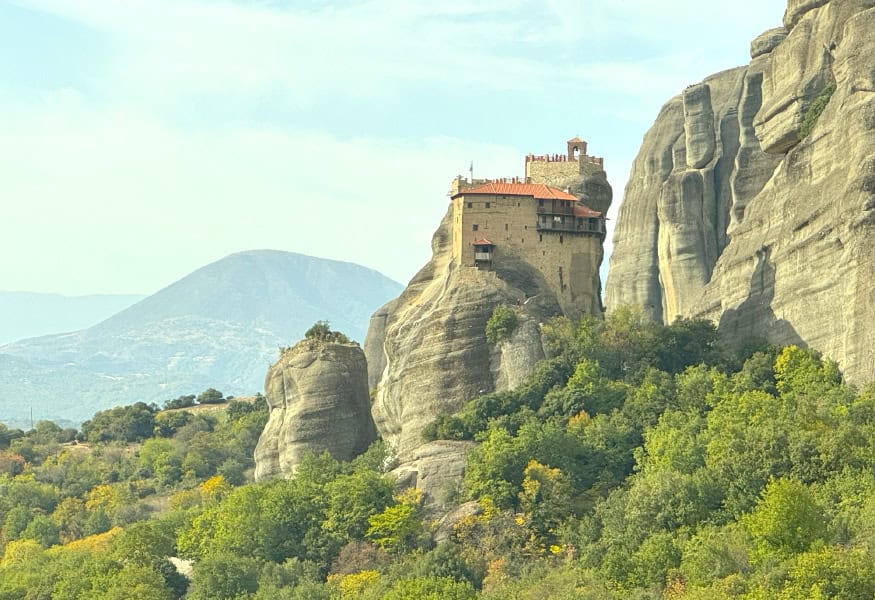
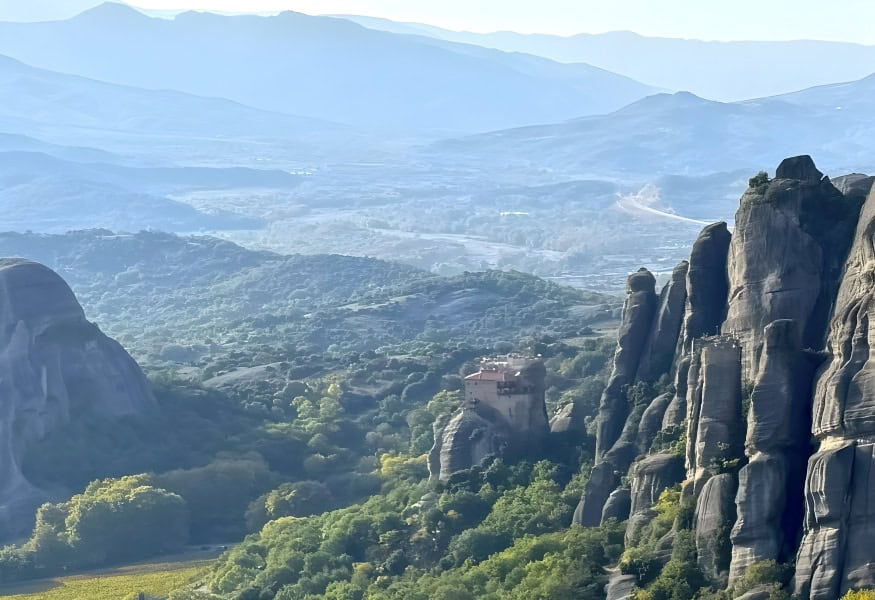
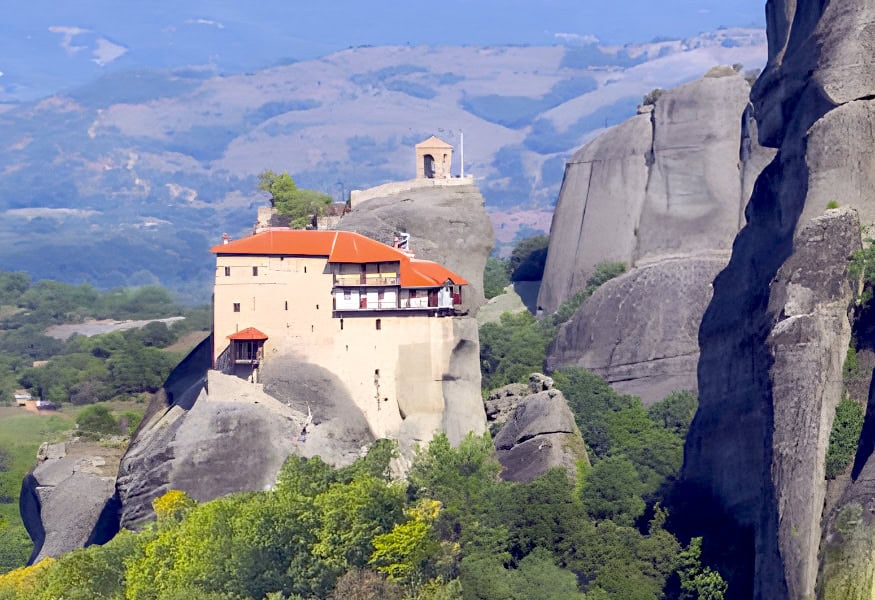
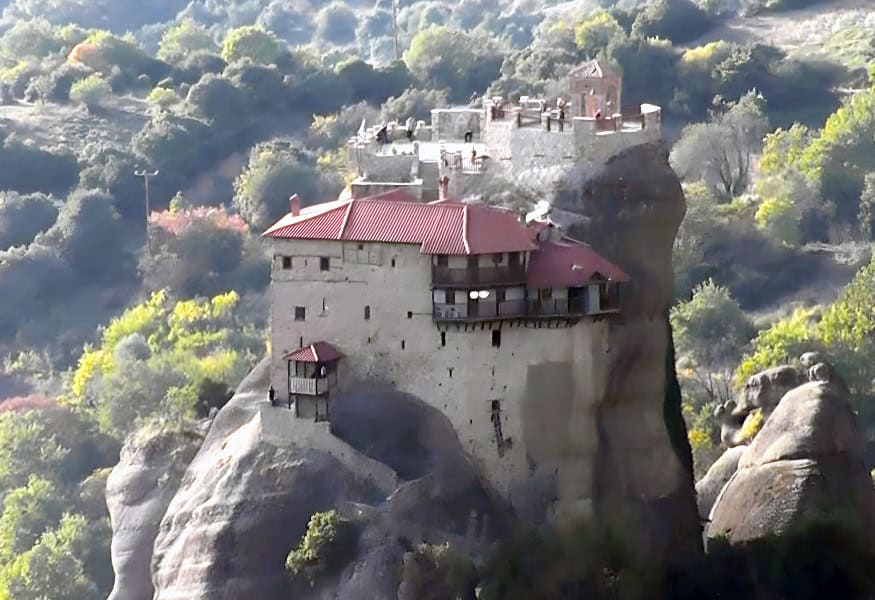
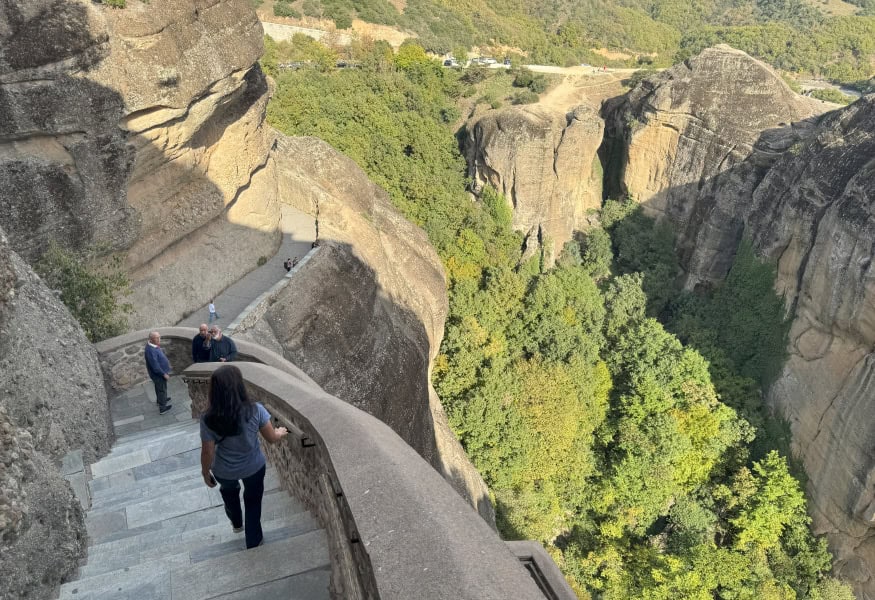
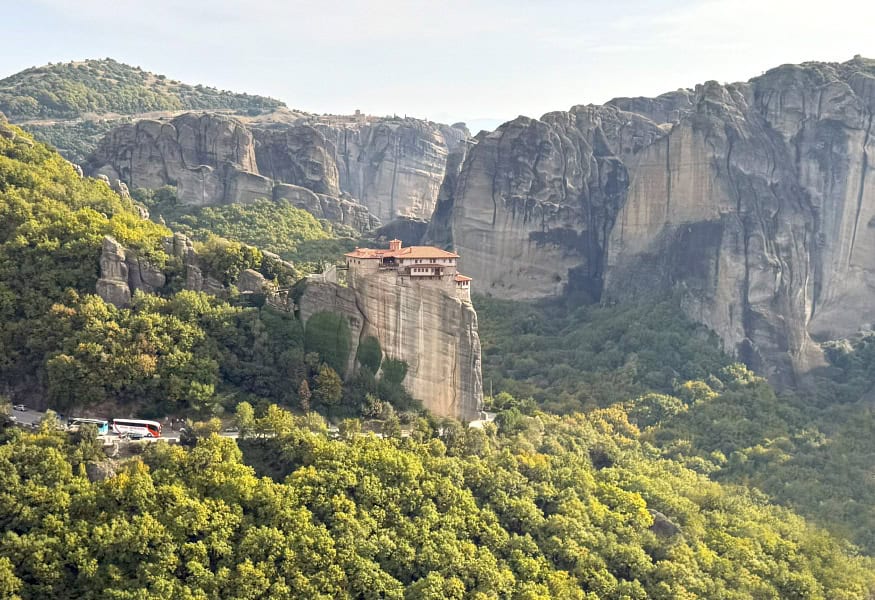
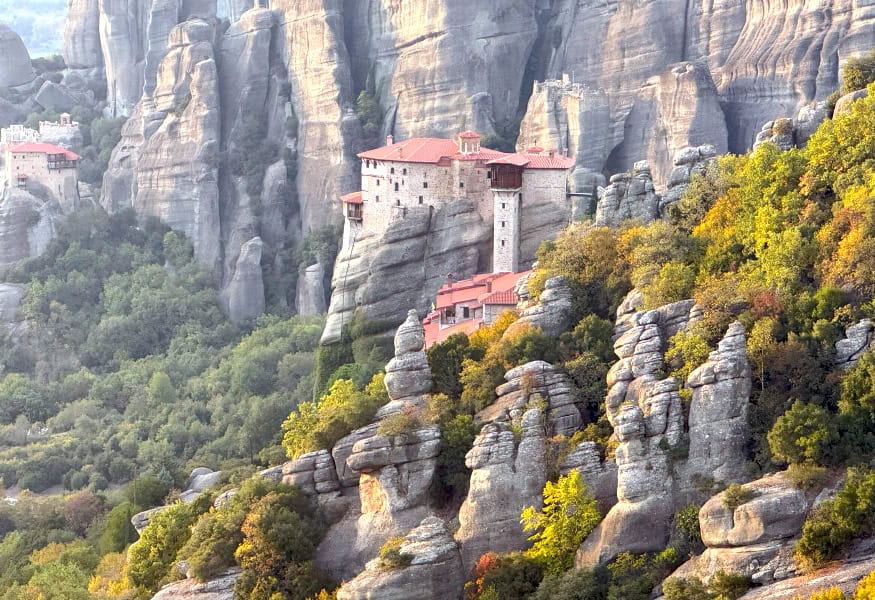
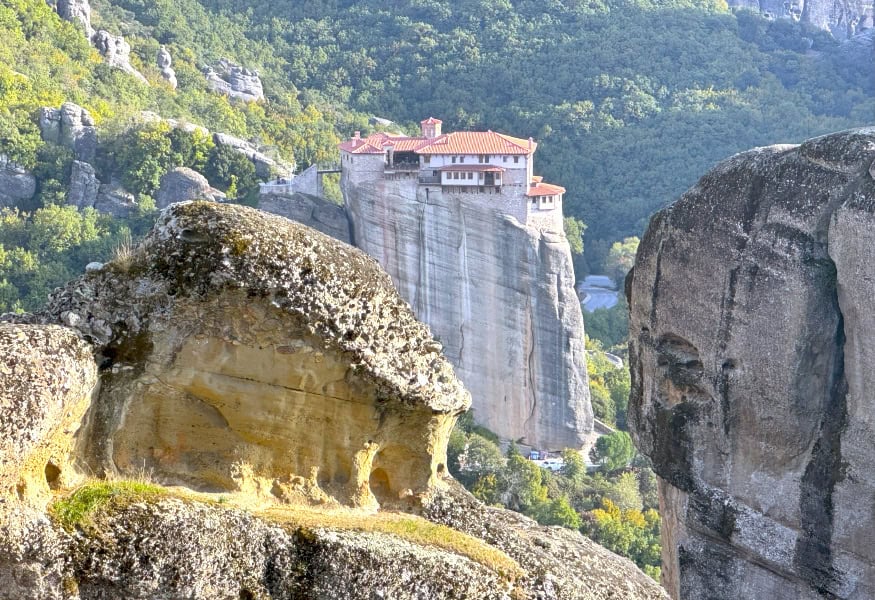
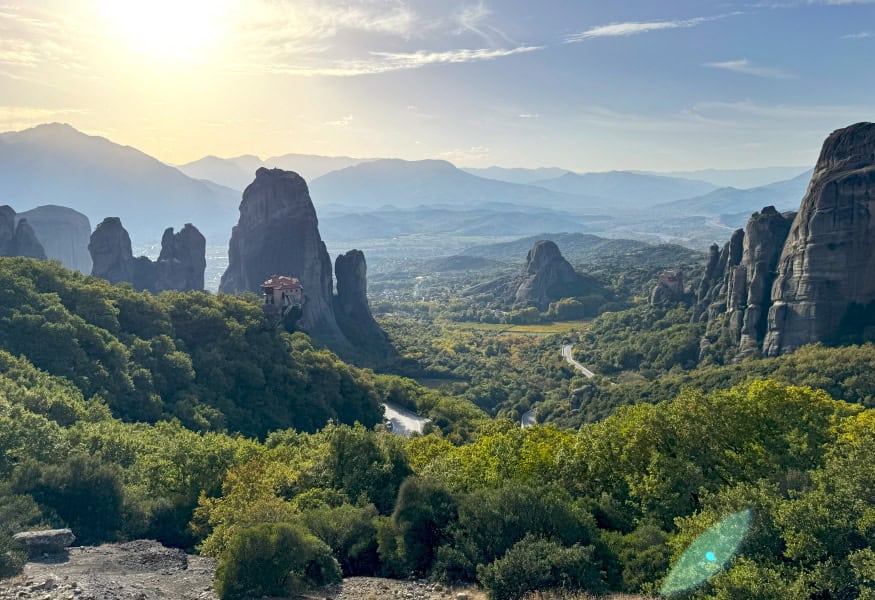
One of the most accessible monasteries is the Roussanou Monastery, which is perched on a lower rock pillar than the others. It is the ideal starting point for tourists who prefer less demanding climbs because it is connected to the road by a small bridge and a short, gentle flight of stairs. This monastery has a special, serene atmosphere because it has been an active convent since 1988. Its terraces offer breathtaking views of the surrounding valley. The most dramatic view of this monastery is from the ascending steps of the Monastery of Varlaam looking down into the valley below.
ROUSSANOU MONASTERY FUN FACTS
- It is one of the two Meteora monasteries that are currently home to nuns.
- Its unique position on the rock makes it a favorite subject for photographers.
- The monastery’s main church, the Transfiguration of Jesus, is adorned with exquisite frescoes from the 16th century.
Holy Trinity Monastery
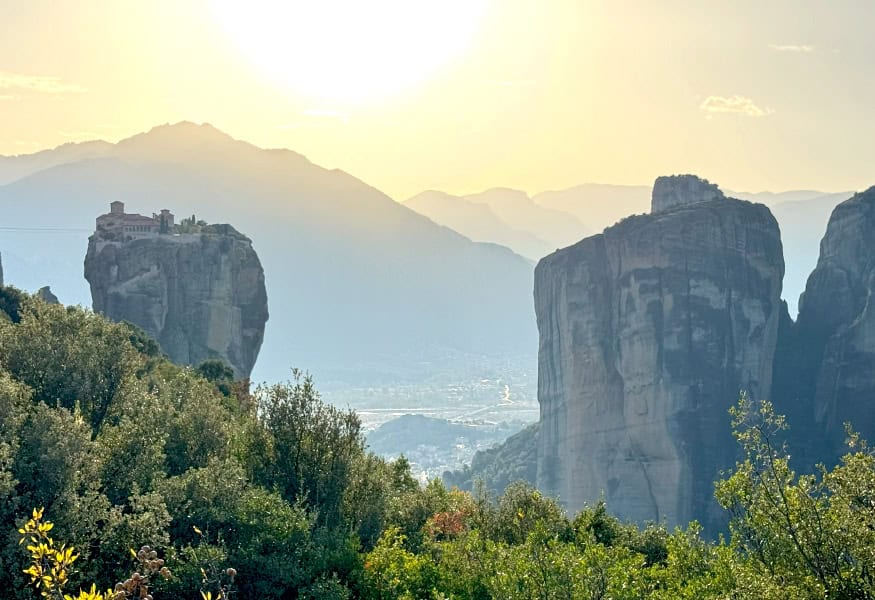
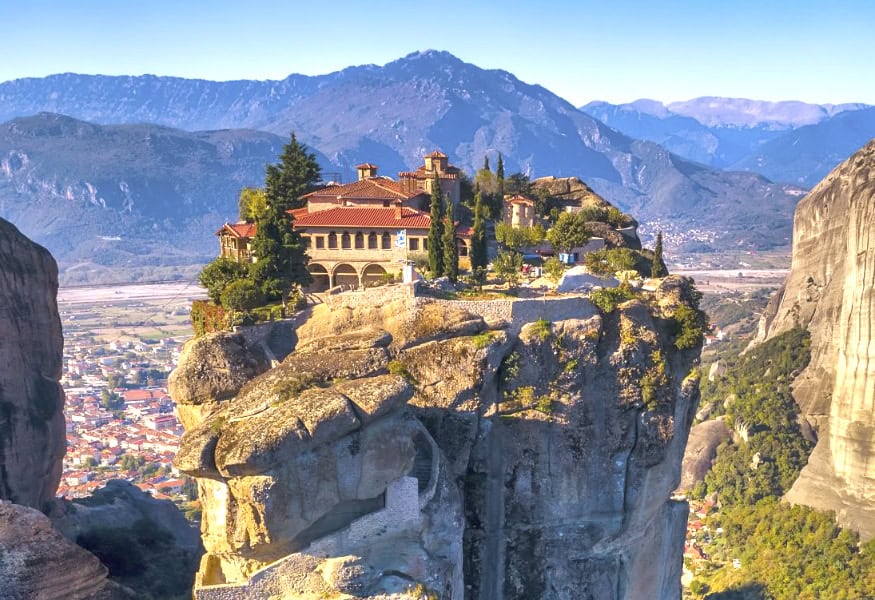
Holy Trinity Monastery is arguably the most recognizable monastery because of its well-known appearance in the James Bond film For Your Eyes Only. It is perched on a dramatic, remote rock pillar. With a zigzag route and a number of steps, the climb is a little more difficult, but the amazing views and sense of achievement make the effort worthwhile. For those seeking a slightly more active challenge, the well-maintained path provides a rewarding experience.
HOLY TRINITY MONASTERY FUN FACTS
- Visitors must cross a small bridge, with dramatic views on either side, and then climb approximately 140 steps carved into the rock face.
- The monastery’s appearance in a Bond film made it internationally famous overnight.
- It is one of the most difficult monasteries to reach, which has preserved its remote and serene character.
St. Stephen's Monastery
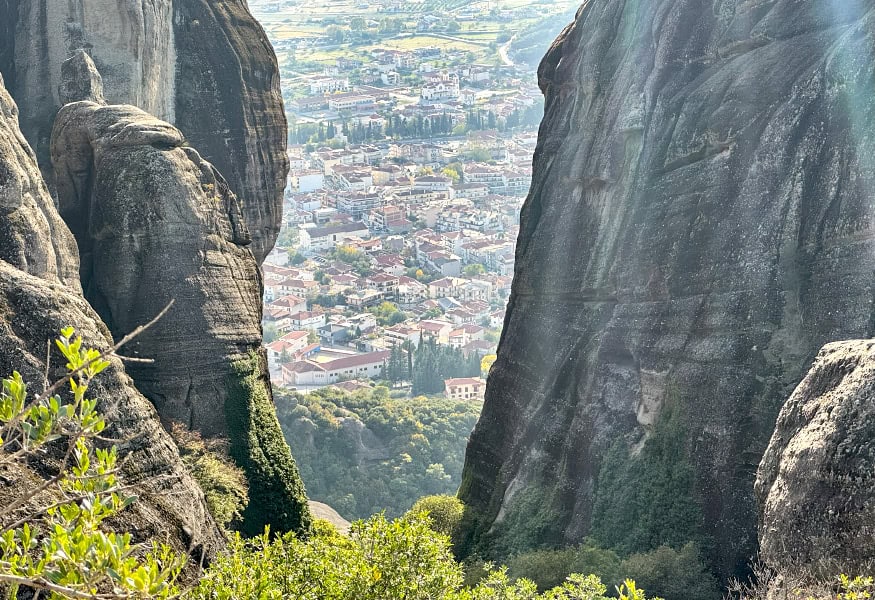
Another easily accessible monastery is St. Stephen’s, which is situated close to Kalambaka village at the end of the road. You can enter without climbing a single step thanks to a short, level footbridge that connects it to the main road. For people who have mobility issues or who wish to visit a monastery without a strenuous climb, this makes it the perfect option. Beautiful frescoes can be found in its main church, which has been a working convent since 1961.
ST. STEPHEN’S MONASTERY FUN FACTS
- It is the second of the two monasteries currently run as a convent.
- A magnificent view of Kalambaka and the Thessaly valley can be seen from its terrace and gardens. Keep an eye out for paragliders . . .
- The monastery was severely damaged by the Germans during World War II but was meticulously restored in the following years.
Monastery of St. Anthony
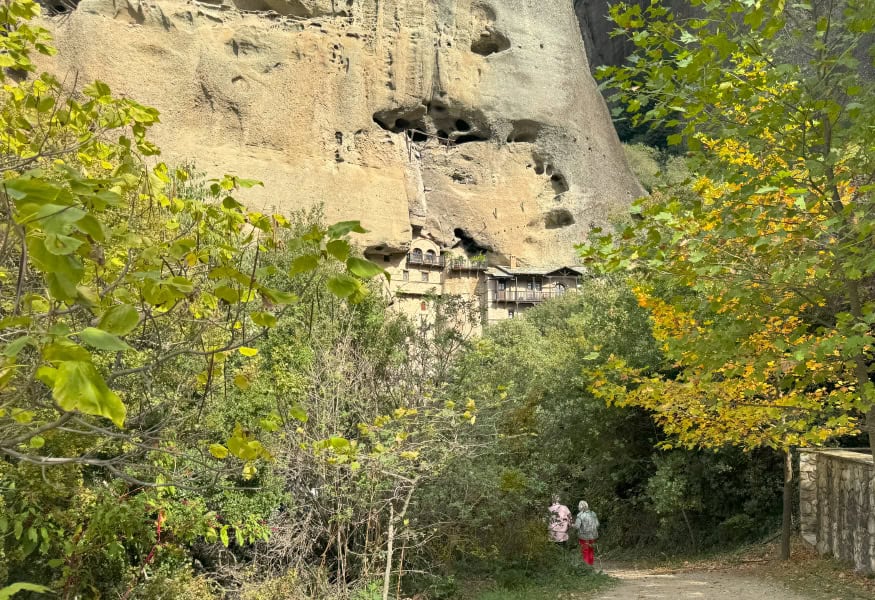
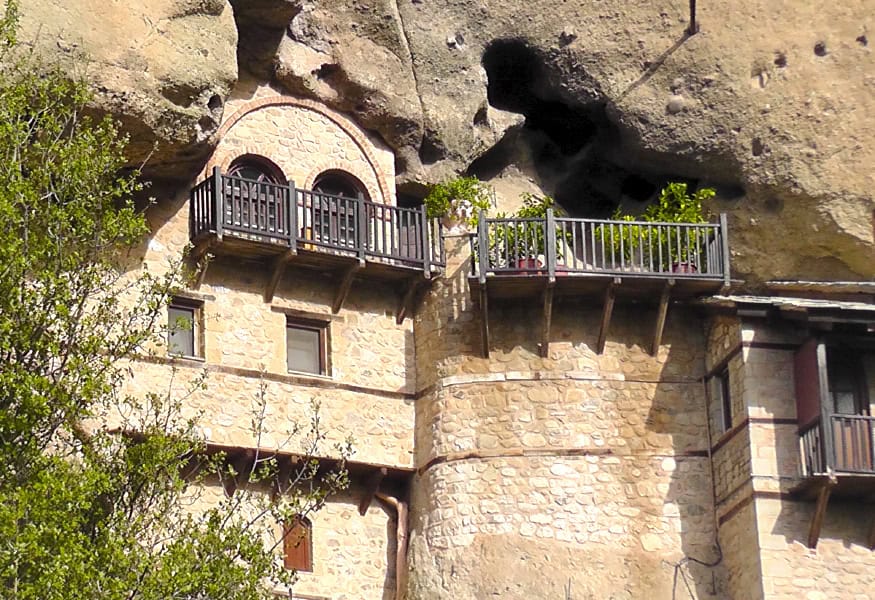
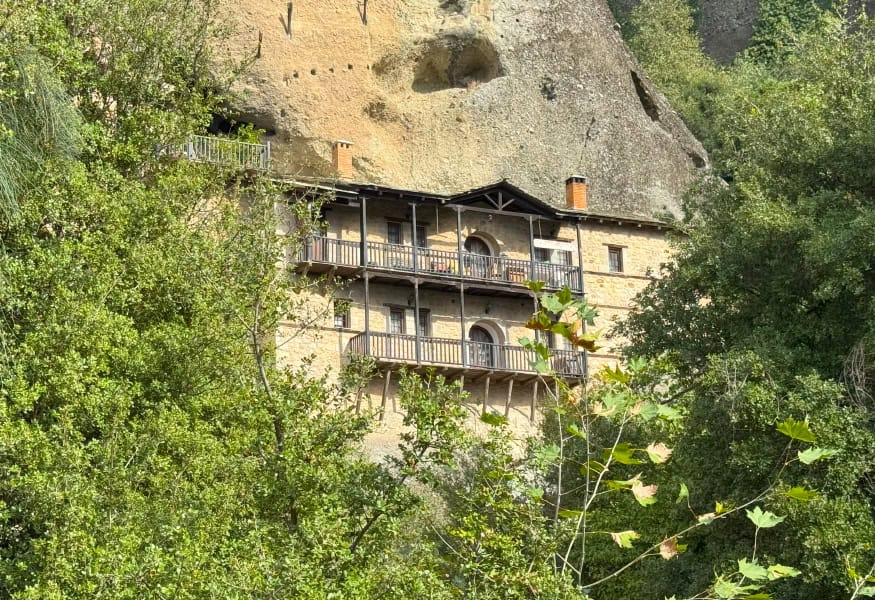
The Monastery of St. Anthony is a real hidden gem for people who value a more remote and historically significant experience. This 14th-century former Eastern Orthodox monastery is situated close to the village of Kastraki in a natural hollow on the south side of Pyxari Rock. It has been partially restored and is now a peaceful haven, but it is no longer operational in the conventional sense.
MONASTERY OF ST. ANTHONY FUN FACTS
- The monastery is a “Metochi,” or monastic dependency, of the Holy Trinity Monastery.
- The portable icon of St. Anthony the Great that was once here is now kept in the Holy Trinity Monastery.
- The small domed church inside the monastery was decorated with impressive frescoes in 2006.
Monastery of St. Nicholas of Mpantovas
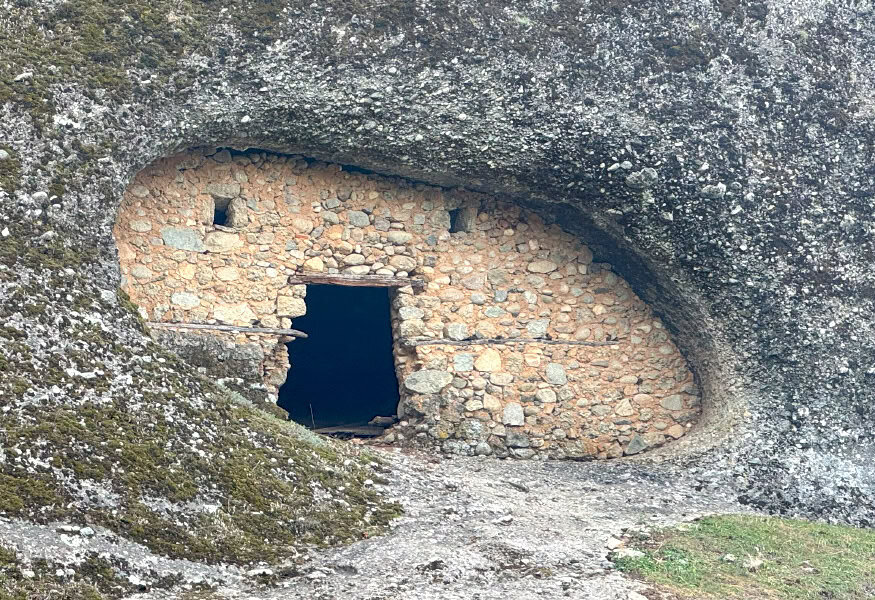
The Monastery of St. Nicholas of Mpantovas is an important but little-known historic site, in contrast to the more famous St. Nicholas Anapafsas. Built into a rock cave on the appropriately named Mpantovas Rock, this former monastery was established circa 1400. Given that it was bombed during World War II, its history offers an intriguing glimpse into the tenacity of the monastic communities in Meteora. Despite being a ruin, its striking setting offers yet another illustration of the monks’ resourcefulness in establishing their lives among the rock formations.
MONASTERY OF ST. NICHOLAS FUN FACTS
- Its name, “Mpantovas,” is thought to be of Slavic origin.
- The monastery was abandoned for many years but remains a testament to the region’s past.
Pyxari Rock Hermitages
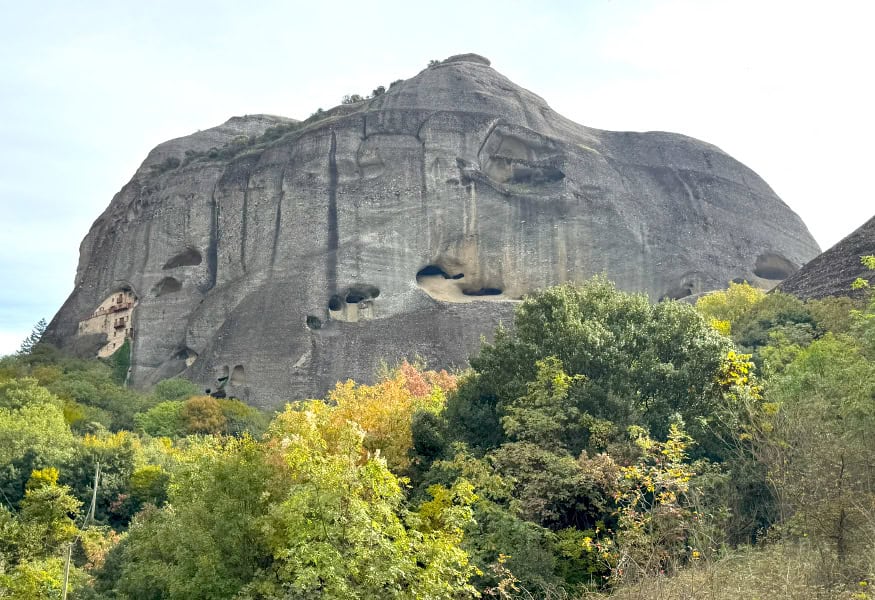
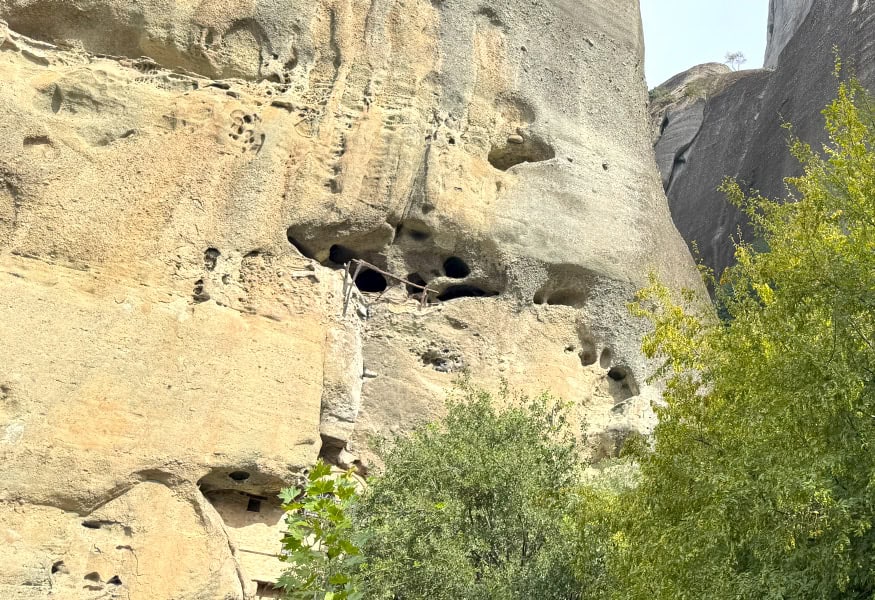
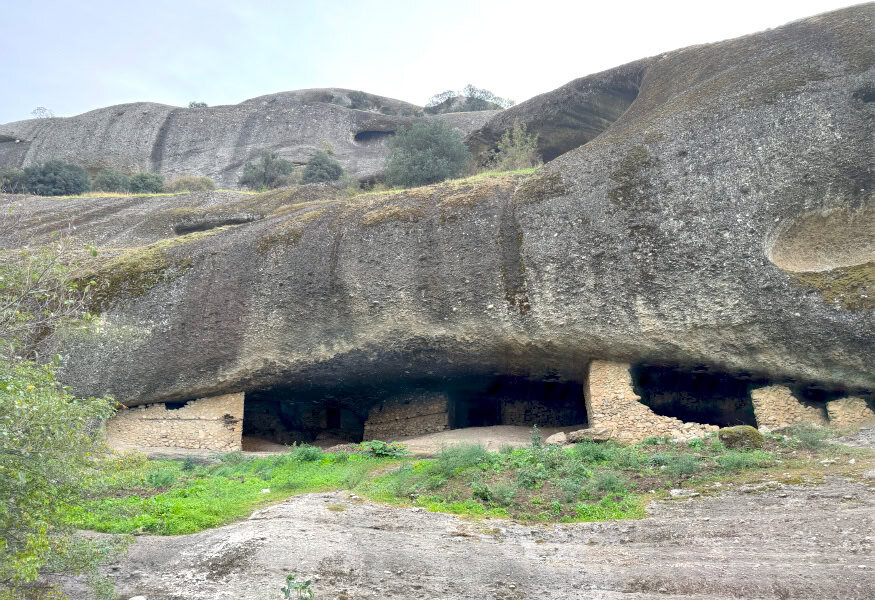
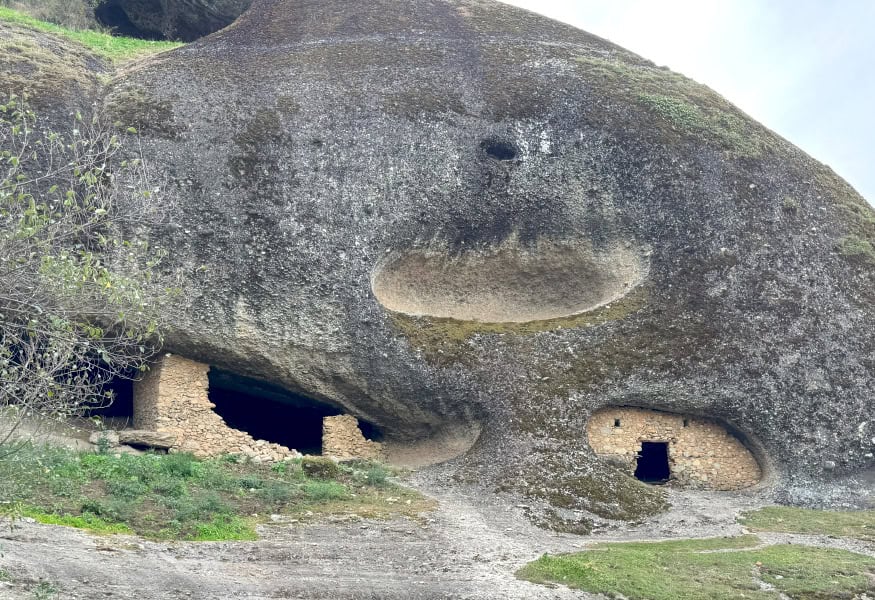
Pyxari Rock is a sizable rock formation close to the villages of Kalambaka and Kastraki that rises sharply from the valley floor. It is especially noteworthy for the many cave hermitages that were formerly inhabited by Christian ascetics and are situated on its cliffs. The Monastery of St. Anthony is the most well-known of these hermitages, but there are numerous smaller homes scattered across the rock that illustrate how Meteora began as a group of solitary hermitages. Discovering the paths surrounding Pyxari Rock offers a great way to take a leisurely stroll and experience the region’s rich spiritual past.
PYXARI ROCK HERMITAGES FUN FACTS
- The name “Pyxari” translates to “box tree” in Greek, though the reason for this name is not entirely clear.
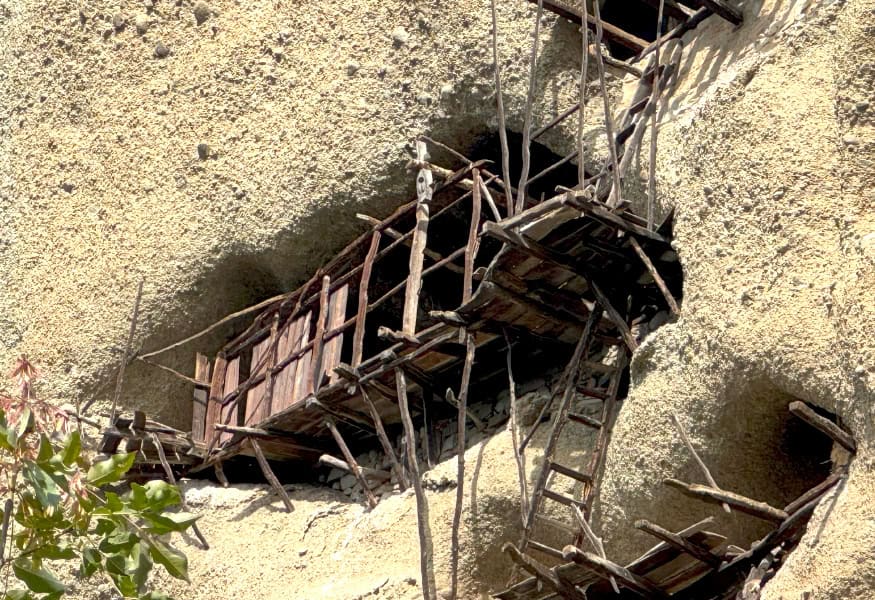
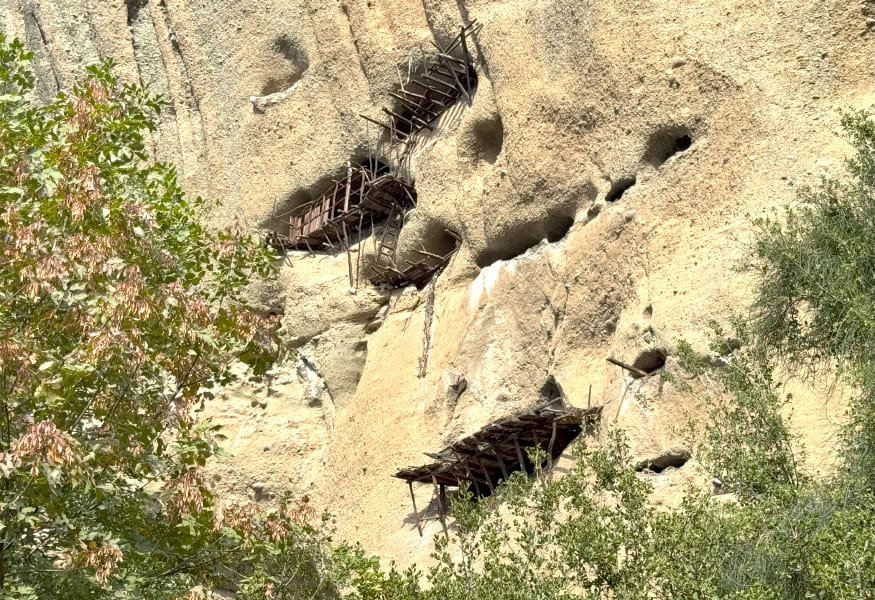
- In the past, these hermitages were only accessible via wooden ladders and ropes, highlighting the dedication of the monks who lived there.
Dupiani Rock
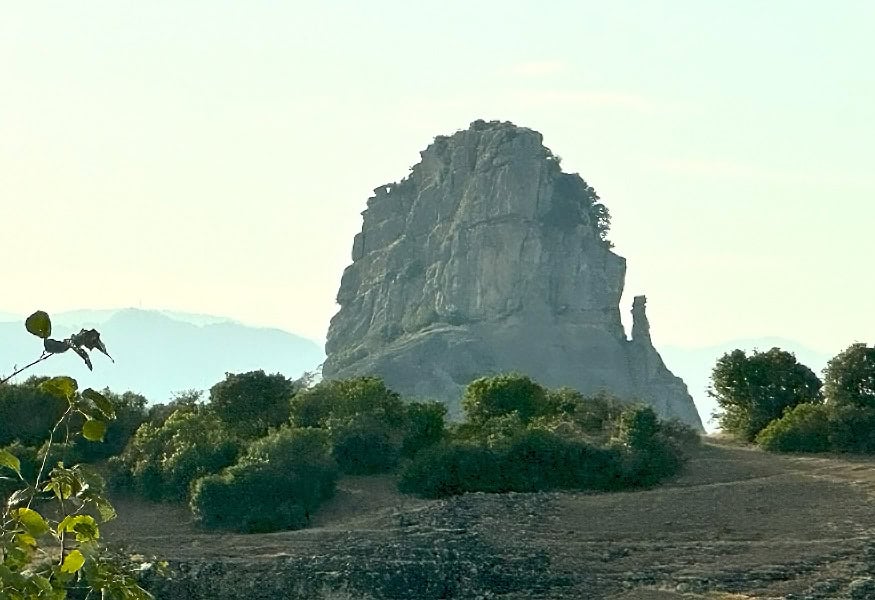
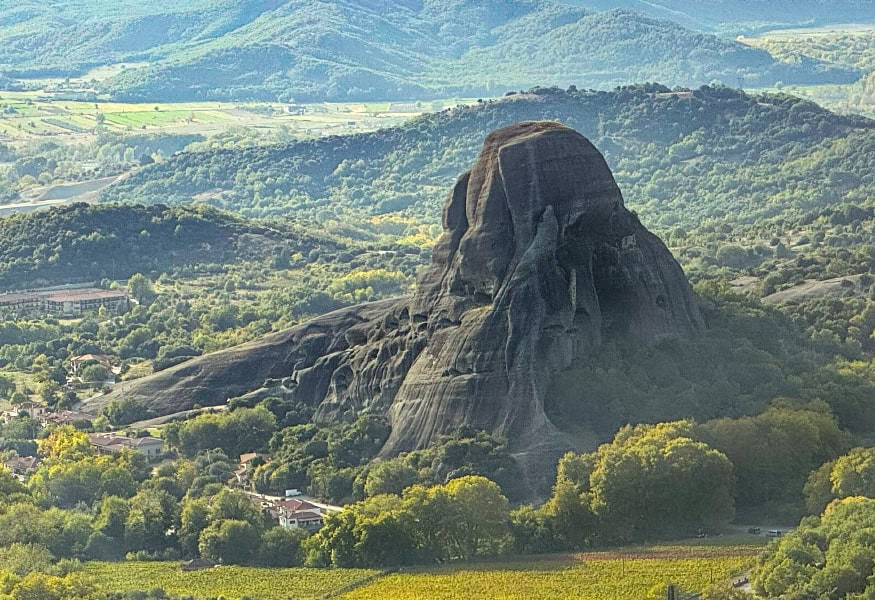
Dupiani Rock is a towering monolith with a pronounced, narrow profile that is located just outside the village of Kastraki. When you start your tour from the west, this is one of the first striking rocks you’ll see. The small chapel of St. George is located at its base, and there is a very pleasant and picturesque walking path around it. For casual hikers exploring the trails surrounding Kastraki, the rock is a great landmark.
DUPIANI ROCK FUN FACTS
- The name “Dupiani” is believed to be derived from the monastery of the same name, which once stood at its base.
- The rock is a popular spot for climbers and photographers due to its unique shape.
Modi Rock
Modi Rock stands majestically near the Holy Trinity Monastery. A tiny, now-defunct hermitage set into the face of this enormous pillar is its most notable feature. You can appreciate Modi Rock’s size and the difficulty of living on such a cliff face from the road that leads to Holy Trinity, which offers the best views of the rock. It serves as a potent reminder of the early hermits’ intense spiritual devotion.
MODI ROCK FUN FACTS
- The rock’s name is thought to derive from the Greek word for “fashion” or “mode,” possibly due to its striking form.
- The hermitage, accessible only via a perilous rope ladder, has been abandoned for centuries.
Bandovas Caves
Near Roussanou Monastery, a group of fascinating and historically significant caves named the Bandovas Caves were carved out of the rock face. In the early years of Meteora’s spiritual history, monks and hermits used these caves as hermitages. Although they are difficult to reach, they are visible from the road and provide an intriguing window into the early occupants’ rudimentary way of life. Walking on the surrounding trails is enjoyable.
BANDOVAS CAVES FUN FACTS
- The name “Bandovas” is of Slavic origin and may relate to the early inhabitants of the area.
- These caves contain some of the oldest frescoes in the region, dating back to the 12th century.
- The caves were once part of an even larger monastic community that predated the monasteries we see today.
Meteora Main Observation Deck
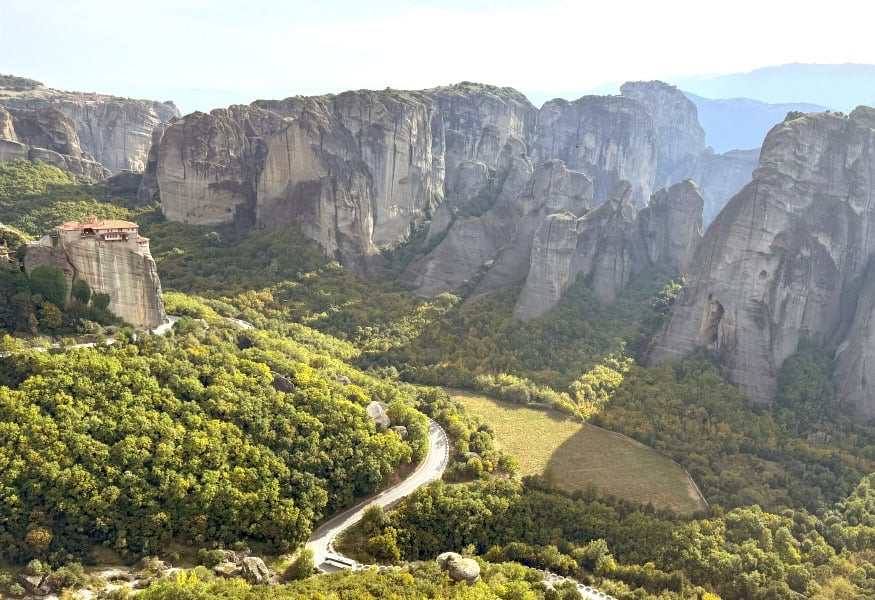
Visit the Meteora Main Observation Deck for one of the most expansive and stunning views of the Meteora valley and its suspended monasteries. This location is easily accessible by car and has plenty of parking because it is on the main road. You can see five of the six monasteries at once thanks to the deck’s expansive view of the breathtaking surroundings. Without engaging in any strenuous hiking, it’s the ideal location to gain an appreciation of Meteora’s size.
METEORA MAIN OBSERVATION DECK FUN FACTS
- The deck is a prime location for photographers to capture the “classic” Meteora shot.
- It is often a popular stop for tour buses, so visiting early in the morning or late in the afternoon can help you avoid crowds.
- The deck is a great place to begin your sightseeing, giving you an excellent overview of the area.
Meteora Sunset Viewpoint
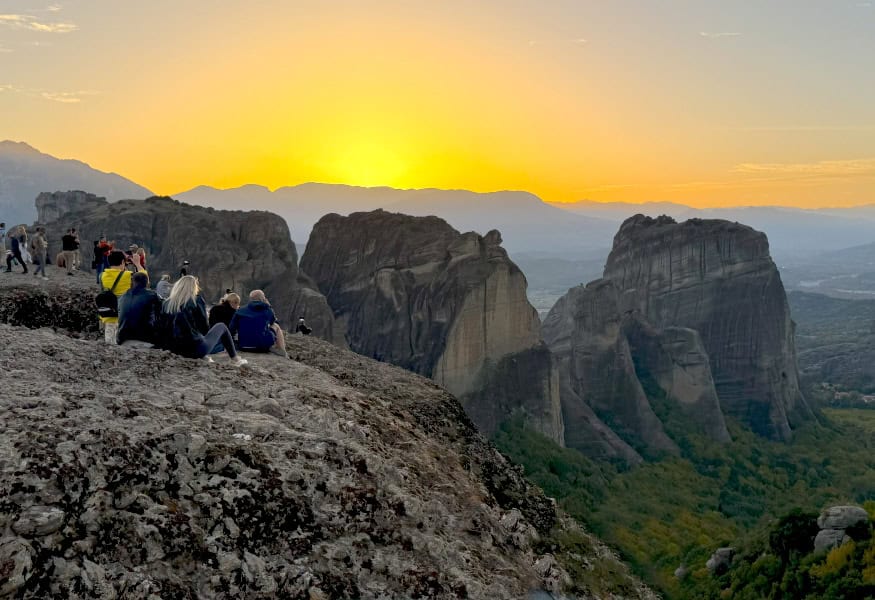
Seeing the sunset from the aptly named Meteora Sunset Viewpoint is one of the must-do activities in Meteora. This convenient location on the main road offers an unmatched view of the Meteora’s most notable rock cluster as the sun sets. The scene is genuinely magical as the monasteries and rock formations are illuminated by the golden light. It’s a moment you’ll treasure long after you’ve returned home and the ideal way to cap off an exciting day of exploring.
METEORA SUNSET VIEWPOINT FUN FACTS
- Local tour guides often recommend this spot as the highlight of any trip to Meteora. As a result, it is almost always crowded with both tourists and locals.
- The viewpoint offers views of Great Meteoron, Holy Trinity, and St. Stephen’s monasteries.
- Bring a small picnic and a bottle of wine to enjoy the spectacle!
Village of Kalambaka
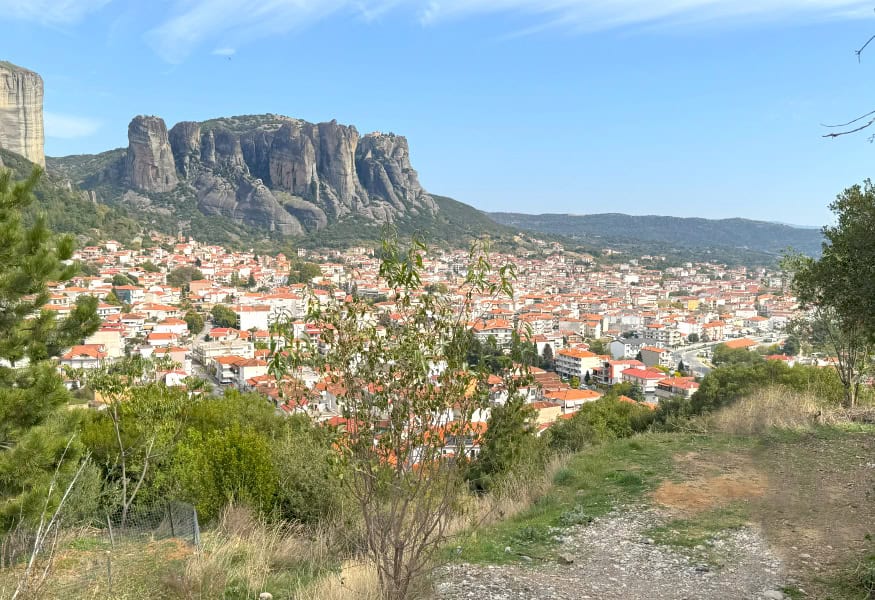
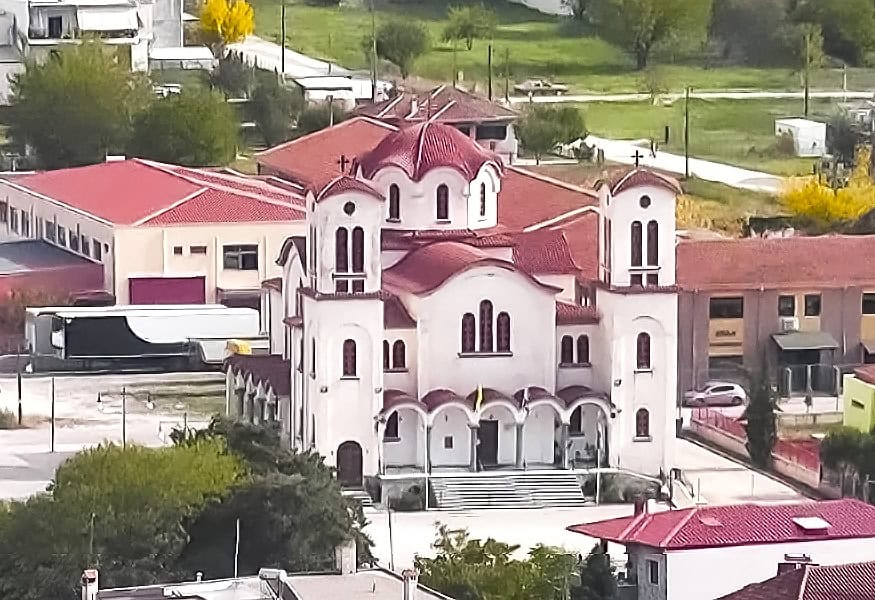
The biggest town in the region, Kalambaka, is ideally situated at the foot of the Meteora rocks and makes an excellent starting point for your journey. With its abundance of eateries, lodging options, and retail establishments, the town offers a fantastic opportunity to experience contemporary Greek culture. The magnificent Church of the Assumption of the Virgin Mary, a Byzantine-era structure worth seeing, is located in Kalambaka. It is conveniently located and the ideal spot to unwind after a strenuous day of hiking. For those who enjoy churches, you might also like to read about the Church of Our Lady of Škrpjela in Montenegro.
VILLAGE OF KALAMBAKA FUN FACTS
- The town’s name is derived from the Turkish word for “strong fortress”.
- Kalambaka is home to a natural history museum and a mushroom museum, both of which are unique stops.
- A hiking trail starts from Kalambaka and leads directly to Holy Trinity Monastery, offering a fantastic opportunity for the more active traveler.
Village of Kastraki
Kastraki is a smaller, more traditional village that is conveniently close to Kalambaka. It feels as though it is nestled right into the Meteora rock forest. It is a very charming place to stay or just walk around because of its peaceful, winding streets and breathtaking views of the nearby rocks. Many of the hiking trails that ascend into the rocks, such as the route to St. Nicholas Anapafsas Monastery, are also conveniently accessible from Kastraki. For those who love exploring charming villages, you might also enjoy reading our article on a Day in Athens.
VILLAGE OF KASTRAKI FUN FACTS
- The name “Kastraki” means “small castle” in Greek, referencing a Byzantine fortress that once stood here.
- The village is a popular choice for those looking for a quieter, more authentic experience.
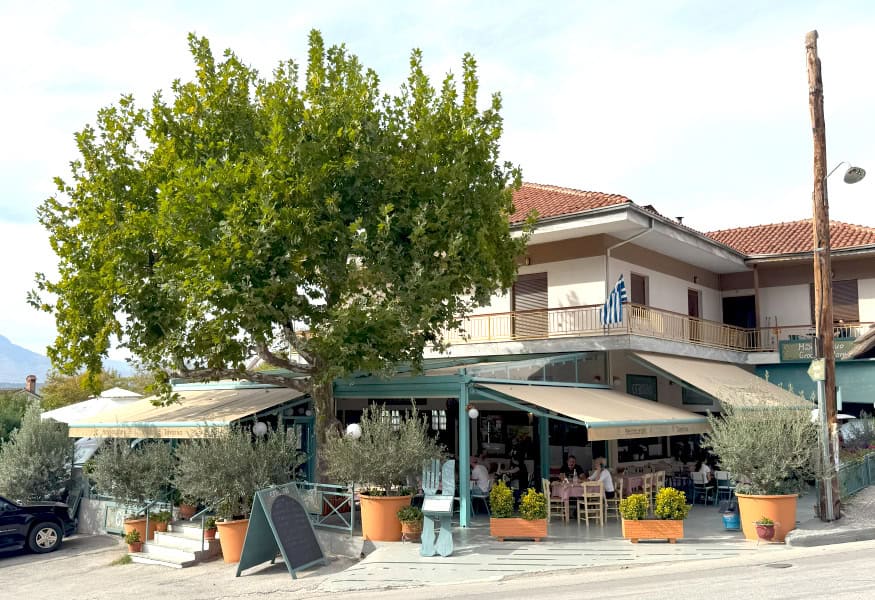
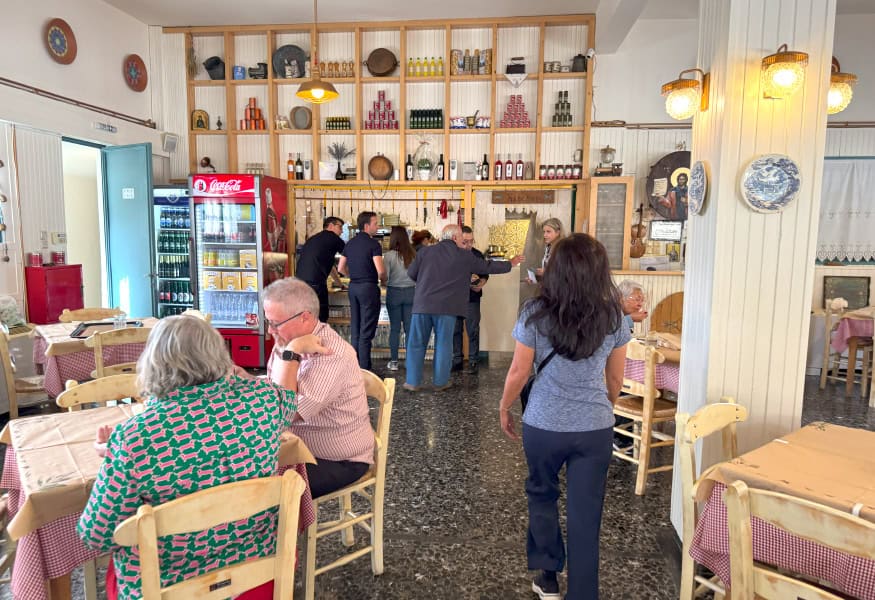
- Kastraki is home to a small, traditional square with a few tavernas, perfect for a relaxing meal after a day of exploration. We personally, and wholeheartedly, recommend the Mediterranean restaurant Taverna Efrosino located in the heart of Kastraki.
Final Thoughts on Meteora

From the serene isolation of the monasteries to the stunning views from the observation areas, Meteora provides an experience that any active traveler will not soon forget. Its natural beauty and spiritual history make it a very special place. When planning your trip, keep in mind the seasonal variations and don’t be afraid to take your time and savor each moment. We hope you have a fantastic time discovering Meteora’s breathtaking historic sites with the help of this guide!